The Story of the Hare and the Partridge
The Story of the Hare and the Partridge: Once upon a time, I was living in a certain tree. In the hollow, at the foot of the tree, lived a partridge, by the

The Story of the Hare and the Partridge
Canonical Attribution and Manuscript Tradition
This tale is preserved in the major Sanskrit recensions of the Pancatantra including the Tantrakhyayika (c. 200 BCE, Kashmir) and the Hitopadesha. A hare occupies a partridge’s dwelling while the partridge is away. When the partridge returns and asserts ownership, the hare denies it. Both parties agree to submit the dispute to an arbitrator — a cat who presents himself as a pious, disinterested holy man. The cat hears both sides with apparent impartiality, gradually draws the two litigants close enough to touch, and then kills and eats them both. The tale belongs to the Pancatantra’s extended treatment of the dangers of misplaced trust in apparently impartial third parties, and is one of the most effective demonstrations in Sanskrit didactic literature of the principle that the mediator’s interests must be examined before mediation is accepted. The cat’s piety is genuine in its performance; its role as predator is equally genuine in its nature.
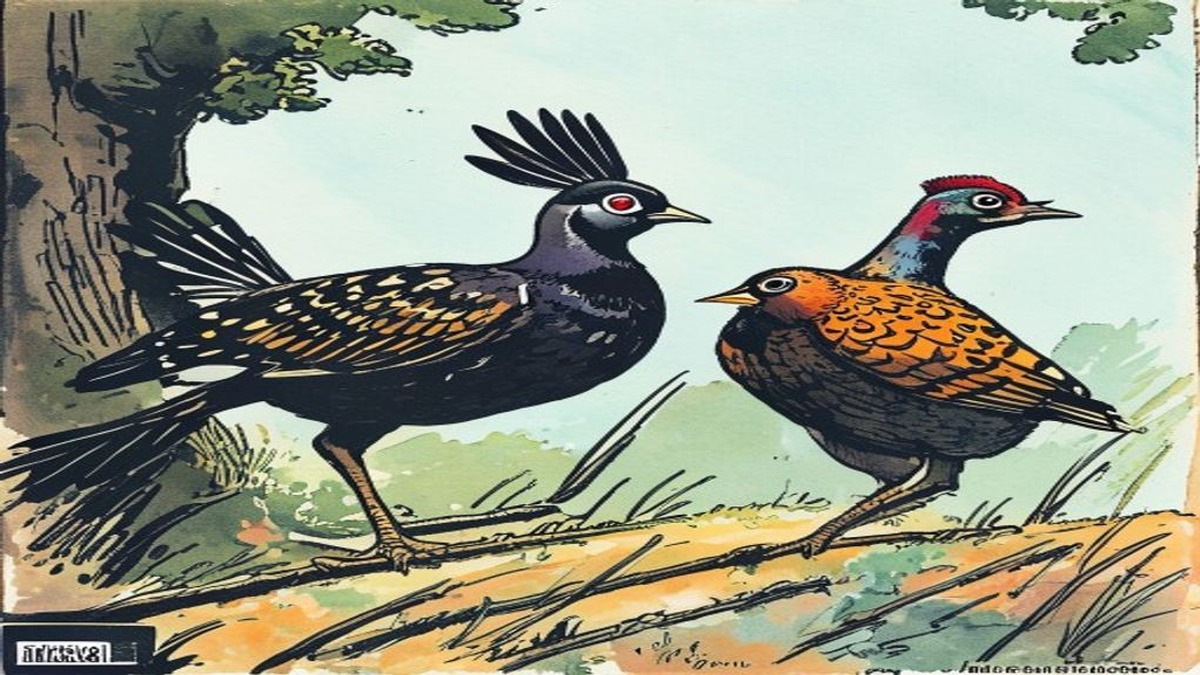
Beat I — The Dispute and the Decision to Arbitrate
The partridge had been away from its dwelling for a season. Returning, it found a hare in residence. The partridge asserted its prior claim: this was its dwelling, it had built and occupied it, and the hare had no right to it. The hare denied the claim: possession was the operative fact, and the partridge had no current possession. Neither party had the power to resolve the dispute directly — they were evenly matched, and direct confrontation risked injury to both without a clear outcome.
The Pancatantra’s account of the decision to arbitrate is important. Both parties agreed to seek an impartial third party to hear and decide the dispute. This is the rational response to an impasse between evenly matched parties: third-party adjudication when direct resolution is unavailable. The error was not in the decision to arbitrate but in the selection of the arbitrator. They chose the cat, who presented himself as a reformed predator, now devout, committed to non-violence. The performance was convincing. The interests behind the performance were not examined.
Beat II — The Cat’s Performance of Impartiality
The cat conducted the arbitration with apparent scrupulousness. He asked to hear each party’s case in full; he expressed concern that his hearing was imperfect from a distance; he invited each party to come closer so he could hear properly; he asked questions that suggested he was weighing the evidence carefully. The performance was technically impeccable. Nothing in the cat’s conduct during the arbitration contradicted the image of a disinterested, pious, conscientious mediator trying to arrive at a just conclusion.
The Pancatantra’s analysis of the performance is its most important contribution in this tale. The cat’s conduct was not hypocritical in the sense of internally opposed to its performance; it was strategically coherent. The cat needed both parties to approach closely enough to reach. The performance of careful, attentive arbitration served this strategic purpose precisely because it was well done: the hare and partridge drew closer because the cat’s questions seemed to require it, not because they were being manipulated. They could not see the manipulation because the surface behaviour was indistinguishable from genuine arbitration.
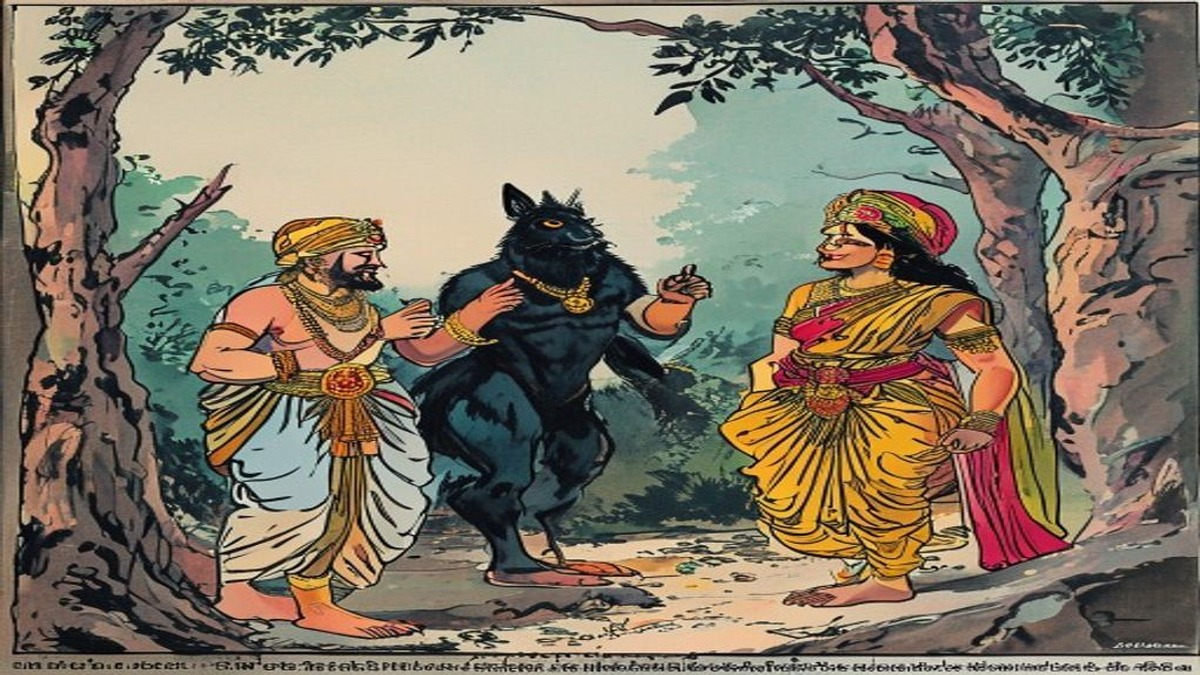
Beat III — The Outcome
When both the hare and the partridge were close enough, the cat killed and ate them both. The arbitration had served its purpose: it had brought the cat’s prey within reach without triggering the flight response that direct predation would have activated. The dispute over the dwelling was resolved in the most final possible sense — neither party had any further use for it.
The Pancatantra notes without irony that the cat’s conduct during the arbitration was, within its own frame, perfectly consistent. The cat had performed the role of arbitrator correctly. The error was not the cat’s; it was the hare and partridge’s, in failing to examine the cat’s interests before accepting the cat as their mediator. The cat was a predator; they were its prey; the arbitration was the most efficient mechanism available for converting that structural relationship into an outcome. Their trust made it work.
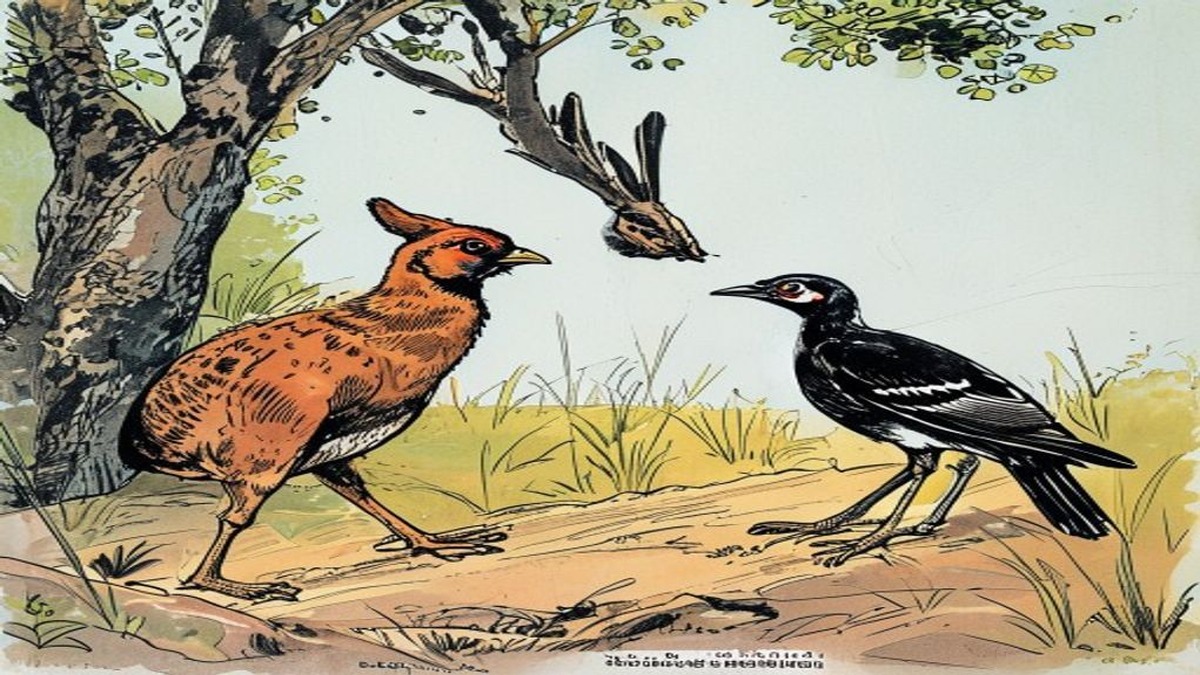
Beat IV — What the Hare and the Partridge Teaches About Arbitrators and Interests
Vishnu Sharma’s argument in this tale addresses what is perhaps the most practically important question in the conduct of disputes: how should the parties to a dispute evaluate a proposed arbitrator? The Pancatantra’s answer is unambiguous: the arbitrator’s interests must be examined before the arbitration is accepted. An arbitrator whose interests are served by a particular outcome, or by the continuation of the dispute, or by the proximity of the parties to each other, is not an impartial mediator regardless of how well they perform impartiality. The performance of impartiality and genuine impartiality can be distinguished only by examining the interests behind the performance.
For Vishnu Sharma’s royal pupils the application is urgent. Courts are environments where disputes between parties are regularly submitted to third-party adjudication — to ministers, to the king himself, to designated judges. The Arthashastra devotes extensive attention to the selection and conduct of judges, specifically because the judge who has an interest in a particular outcome will produce that outcome through the machinery of apparently legitimate adjudication. The cat’s arbitration is the Pancatantra’s concentrated warning: always examine the interests of the one who offers to decide.
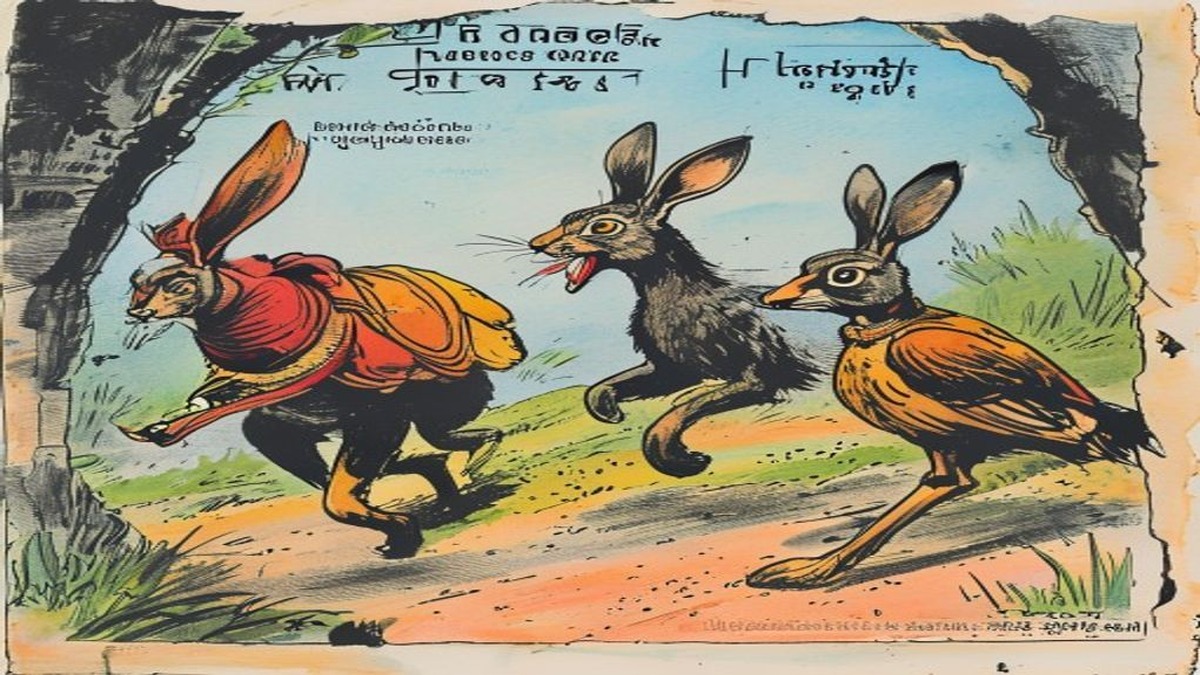
Moral and Sanskrit Wisdom Tradition
“Before you accept an arbitrator, examine their interests; the impartial judge who profits from your proximity is a predator in a mediator’s posture.”
— Moral of The Story of the Hare and the Partridge, Pancatantra Book III (Kakolukiyam)
This moral engages the Sanskrit legal and political tradition’s extensive treatment of judicial integrity. The Arthashastra devotes a full chapter to the prevention of judicial corruption and the identification of judges whose decisions are determined by their interests rather than by the merits of the cases before them. The Mahabharata’s Shanti Parva addresses the same theme in the context of royal justice: the king who judges in his own interest corrupts the dharmic foundation of the kingdom. Vishnu Sharma’s cat-arbitrator tale provides the concentrated narrative demonstration: the judge whose interests are served by the dispute’s outcome will always find in favour of those interests, regardless of how the adjudication appears on the surface.
Why This Story Has Lasted 2,300 Years
The Story of the Hare and the Partridge endures because the vulnerability it demonstrates — trusting a mediator whose interests are served by the dispute’s continuation or by a particular outcome — is permanent and universal. The form of the cat’s operation changes across centuries: the advisor who benefits from the client’s continued dependence; the mediator who has financial interests in one party’s outcome; the arbitrator who uses the procedure to reach a predetermined conclusion. But the structure is identical: a performance of impartiality that is indistinguishable on the surface from genuine impartiality, serving interests that the parties have not examined. The Pancatantra’s prescription — examine the arbitrator’s interests before accepting the arbitration — remains as necessary as when Vishnu Sharma first formulated it.
Sanskrit Tradition: Tantrakhyayika (c. 200 BCE, Kashmir); Hitopadesha
Key Concept: Arbitrator’s interests; performance of impartiality vs. genuine impartiality; predator in mediator’s posture; prior examination of the adjudicator’s interests
Author: Vishnu Sharma (attributed, c. 3rd century BCE)
Arthashastra Parallel: Prevention of judicial corruption; judges whose decisions serve their interests; selection criteria for impartial adjudicators
Frequently Asked Questions
What is the moral of the Story of the Hare and the Partridge in the Panchatantra?
The moral is that before you accept an arbitrator, you must examine their interests; the impartial judge who profits from your proximity is a predator in a mediator's posture. The hare and partridge submitted their dispute to a cat who performed impartiality perfectly — but whose interests as a predator were served by drawing both parties within reach. They did not examine his interests before accepting his arbitration, and were killed. The performance of impartiality and genuine impartiality are indistinguishable on the surface.
What happens in the Story of the Hare and the Partridge in the Panchatantra?
A hare occupies a partridge's dwelling while the partridge is away. When the partridge returns, both claim the dwelling and neither can resolve the dispute directly. They agree to submit to arbitration by a cat who presents himself as a pious, reformed predator devoted to non-violence. The cat conducts the arbitration with apparent scrupulousness, gradually drawing both parties closer to hear them better. When both are within reach, he kills and eats them both. The dwelling dispute is resolved in the most final possible way.
What was the error the hare and partridge made in this Panchatantra story?
Their error was not the decision to seek arbitration — that was rational given their impasse. Their error was accepting the cat as arbitrator without examining his interests. The cat was a predator; they were his prey; the arbitration was the most efficient mechanism available for converting that structural relationship into an outcome. Had they asked what interests the cat had in the dispute's resolution or in their proximity, the performance of piety could not have concealed the answer: the cat's interest was in eating them.
How does the cat's arbitration work as a deception in this Panchatantra story?
The cat's arbitration worked because its surface behaviour was indistinguishable from genuine impartial mediation. He heard both sides, asked careful questions, expressed concern about hearing properly, and invited both parties to come closer — all actions consistent with conscientious arbitration. The deception was strategic rather than theatrical: the cat was not performing elaborate fakery but simply using the legitimate machinery of arbitration to achieve his predatory purpose. The hare and partridge could not see the manipulation because the conduct was genuinely consistent with what a good arbitrator does.
How does this Panchatantra story relate to the Arthashastra's treatment of judicial integrity?
The Arthashastra devotes extensive attention to the selection of judges and the prevention of judicial corruption, specifically because the judge whose decisions are determined by their interests will produce those outcomes through apparently legitimate adjudication. The cat's arbitration is the Pancatantra's concentrated narrative of this risk: a judge performing impartiality while serving their own interests produces outcomes no different from naked predation, but is far more dangerous because the victims cooperate in their own destruction. The Arthashastra's prescription — examine the judge's interests, not just their conduct — is the institutional application of the hare-and-partridge lesson.
You May Also Like
 Panchatantra Stories
Ages 6-8
Panchatantra Stories
Ages 6-8
The Greedy Cobra and the King of Frogs
Read 'The Greedy Cobra and the King of Frogs' — a classic Panchatantra story about moral lessons about greed. The Greedy Cobra and the King of Frogs is ...
 Panchatantra Stories
Ages 9-12
Panchatantra Stories
Ages 9-12
The Lion and the Clever Jackal
The Lion and the Clever Jackal: In a great forest of India, where the sal trees grew tall and ancient and the undergrowth was dense with life, there dwelt a
 Panchatantra Stories
Ages 6-8
Panchatantra Stories
Ages 6-8
The Lion and The Foolish Donkey
The Lion and The Foolish Donkey: A lion named Karalakesara was living in a forest, loyally served by Dhoosaraka, a jackal that used to accompany the lion