1003+ Stories from Ancient India — Free to Read! Explore all stories →

The White Man And Snake

The White Man And Snake: This powerful tale presents one of literature's most enduring themes: the meeting between human and animal, between civilization and

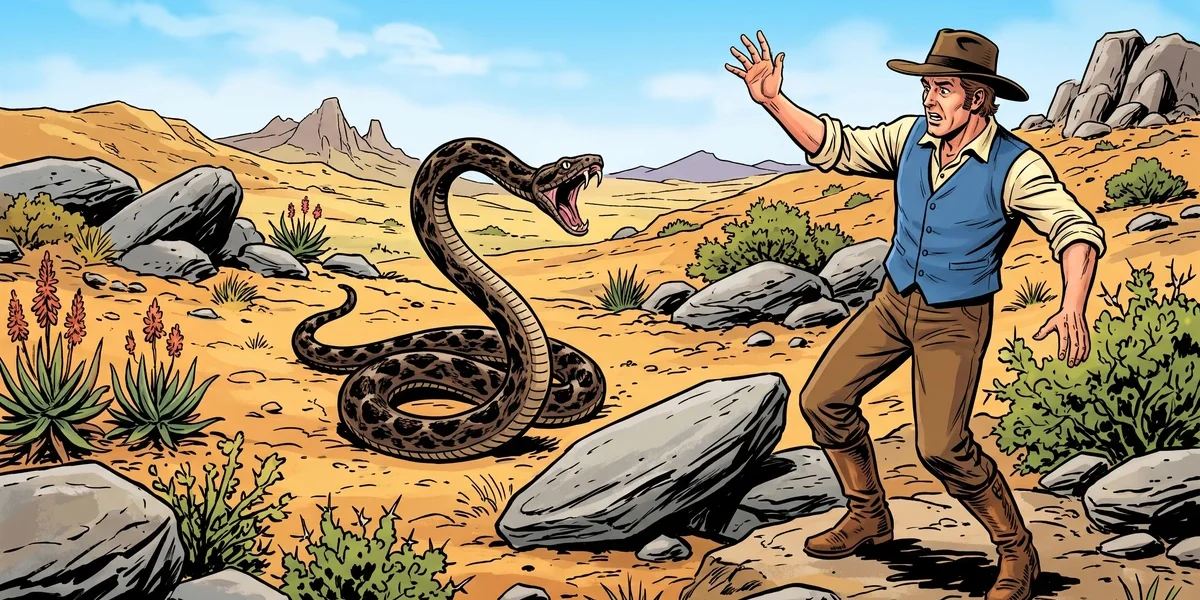
The White Man And Snake - Cover - Amar Chitra Katha Style
Ad Space (header)

The Encounter: Wisdom and Danger

This powerful tale presents one of literature’s most enduring themes: the meeting between human and animal, between civilization and wild nature. The white man’s encounter with the snake becomes far more than a simple animal story; it becomes a meditation on understanding, trust, and the delicate balance between caution and compassion. The narrative forces both the characters and readers to confront fundamental questions about how we judge others and how we respond to potential danger.

First Impressions and True Nature

One of the story’s central lessons concerns the danger of judging by appearances alone. The snake, often portrayed in literature as purely evil or dangerous, reveals through the narrative that reality is more complex. Similarly, the white man’s initial reactions reveal how humans are often governed by fear and prejudice. The story challenges readers to think beyond stereotypes and to seek deeper understanding. In our modern world, where quick judgments and surface-level assessments often guide our decisions, this ancient lesson remains profoundly relevant.

The Question of Trust

How much should we trust? When is caution appropriate and when does it become paranoia? The white man’s dilemma represents every person’s struggle with these questions. The story presents a situation where both trust and distrust lead to complications. Complete naivety results in danger, yet excessive paranoia prevents connection and understanding. The wisdom lies in a careful middle path: remaining alert while remaining open to the possibility of goodness in others.

Understanding Different Perspectives

The snake in this story likely has its own perspective, fears, and motivations. A complete understanding of the situation requires considering not just the white man’s experience but also the snake’s point of view. When the man truly listens and attempts to understand, communication becomes possible. This principle applies broadly: conflicts and misunderstandings often arise when one party fails to consider the perspective of the other. The story teaches empathy and the effort required to truly understand beings very different from ourselves.

Wisdom in Observation

True wisdom involves careful observation and the willingness to learn from what we see. The white man who carefully watches and listens, who notices details and pays attention to nuance, will have better judgment than one who acts impulsively. The snake, similarly, must observe carefully to understand whether this human represents a threat. In a world of rapid change and information overload, the ability to observe carefully and to extract meaning from careful observation becomes increasingly valuable.

The Limits of Judgment

Perfect judgment about others is impossible. We always have incomplete information and must often act based on incomplete understanding. The story acknowledges this reality while suggesting that our attempts to extend compassion while remaining vigilant represent the best approach available to us. Rather than paralyzing readers with the impossibility of perfect judgment, the tale suggests that thoughtful, careful action guided by both wisdom and compassion is the path forward.

Cultural Wisdom

Many ancient cultures developed detailed lore about animals and their characteristics. This story draws on that tradition while reminding us that such generalizations, while sometimes useful, can also mislead us. The specific individual matters more than the general category. A snake that has learned to coexist with humans, that has developed its own wisdom and perhaps restraint, represents a different reality than one purely governed by instinct.

Lessons for Children

Young readers benefit from stories that acknowledge complexity rather than offering easy answers. This tale prepares children for a world where situations rarely have simple solutions and where understanding requires effort. It teaches that caution is reasonable, but that isolating oneself from potential connection through excessive fear impoverishes life. The balance between openness and careful judgment represents a key life skill that takes years to develop.

The Universal Story of Misunderstanding

Across cultures and centuries, stories explore the tragic consequences of misunderstanding and the grace that comes from genuine communication. The white man and the snake represent two beings with fundamentally different natures, fearful of each other, yet potentially capable of coexistence. The story invites readers to reflect on their own prejudices and fears, and on the assumptions they make about those different from themselves. It suggests that understanding requires effort and genuine openness, not merely passive acceptance.

Overcoming Fear Through Understanding

Fear is often the root of conflict. When we fear someone or something, we tend to assume the worst about their intentions and act defensively. The white man’s initial fear of the snake is understandable – snakes can be dangerous, after all. Yet fear can blind us to reality. A snake that has learned to live near humans and has never harmed them is fundamentally different from a purely wild creature driven only by instinct. Understanding requires looking beyond our fear to see the actual individual before us.

The Question of Natural Predators

In nature, predator-prey relationships are fundamental. A snake might naturally view humans as threats or sources of threat. Yet the story suggests that even these basic instincts can be modified by experience and learning. A snake that has discovered that a particular human means no harm might moderate its defensive behaviors. Similarly, humans can learn to see individual animals as individuals rather than representatives of a category we’ve been taught to fear.

Communication Across Difference

One of the story’s profound lessons concerns the possibility of communication across great differences. Humans and snakes do not share a common language, yet the story suggests understanding is possible. In human relationships, we may face similar challenges – cultural differences, misunderstandings, different backgrounds. Yet if we approach with openness and genuine desire to understand, communication becomes possible even across significant differences.

The Ethics of Coexistence

As humans increasingly share environments with other creatures, questions of coexistence become practical and important. Can we live in the same space as other beings without always assuming we must eliminate the threat? The story suggests coexistence is possible through mutual understanding and respect. This lesson extends metaphorically to human conflicts – can we find ways to coexist with those different from ourselves without seeking to destroy or completely control them?

Recognizing Others’ Perspectives

A complete understanding of the situation requires considering the snake’s perspective as well as the man’s. Why might the snake behave as it does? What are its fears and needs? When we genuinely attempt to understand another being’s point of view, our judgment becomes more nuanced and accurate. This principle applies across countless contexts: family conflicts, workplace disagreements, international relations. Understanding others’ perspectives doesn’t require agreeing with them, but it does enable more thoughtful response than fear-based reactions allow.

Wisdom and Careful Judgment

The wisest approach to potentially dangerous situations combines caution with openness. Neither complete naivety nor complete paranoia serves us well. The story suggests developing the capacity to assess situations carefully, to notice details, to recognize signs of goodwill, and to respond proportionally. This balanced wisdom develops through experience and reflection, through mistakes and learning from them.

Lessons for Tolerance and Respect

In an increasingly diverse world, this story’s message about coexistence becomes more important. Children benefit from stories that show that beings very different from themselves can be understood, that fear can be overcome through genuine effort, and that mutual respect allows for peaceful coexistence. Rather than suggesting that fear is shameful, the story acknowledges it while suggesting that understanding can transform fear into respect.

Evolutionary Perspectives on Coexistence

From an evolutionary perspective, animals develop behaviors that maximize survival in their environments. A snake’s defensive behaviors evolved to protect it from predators and threats. Yet evolution also allows for learning and behavioral modification. Animals that live in environments with humans can learn that not all humans are threats. The story implicitly suggests that even creatures with different evolutionary histories can find ways to coexist when both parties reduce defensive posturing. This perspective enriches our understanding of cross-species relationships.

The Role of Compassion

Compassion – the ability to understand and share the feelings of another being – is not exclusively human. Yet humans are uniquely capable of extending compassion to creatures very different from themselves. The white man’s compassion toward the snake, despite his initial fear, represents a higher evolution of consciousness. Rather than simply eliminating a potential threat, he seeks understanding. This extension of compassion beyond those like ourselves represents moral development and enlightenment.

Stories as Teachers of Empathy

One of the most important functions of fiction and folktale is to develop empathy in readers. Stories like this one create imaginative spaces where we practice understanding perspectives very different from our own. By imagining ourselves in the white man’s position – afraid, uncertain, yet willing to learn – we develop capacities for empathy that serve us in real-world relationships. We practice, in imagination, the difficult work of understanding others.

Environmental Ethics and Traditional Wisdom

Indigenous and traditional cultures often contain wisdom about living in balance with nature. This story reflects such wisdom – the idea that humans can coexist with other creatures if they approach with respect and caution rather than simply with aggression. In an era of environmental crisis, such wisdom becomes increasingly important. How can we live alongside wild creatures rather than always seeking to eliminate or completely control them? This ancient story offers perspective on a very modern question.

Personal Transformation Through Encounter

The meeting between the white man and the snake transforms both parties. Each challenges the other’s assumptions and fears. This mutual transformation through encounter represents one of life’s most profound experiences. When we genuinely meet someone very different from ourselves and allow the encounter to change us, we grow. This story celebrates such transformative encounters, suggesting they are valuable and worth the risk they entail.

Tolerance in a Diverse World

As the world becomes more diverse and interconnected, tolerance and the ability to coexist with difference become increasingly necessary. This ancient tale, told in a time of less diversity, contains wisdom applicable to our more complex modern world. The story suggests that coexistence is possible through genuine effort to understand, through reducing defensive posturing, and through finding common ground even with those very different from ourselves.

Concluding Thoughts

This story of the white man and the snake reminds us that understanding is possible even across the greatest differences. It teaches that fear is natural but need not be controlling. It suggests that genuine encounters with those different from ourselves are transformative and valuable. In a world sometimes fractured by fear and misunderstanding, this ancient tale offers a hopeful message: mutual respect and coexistence are achievable when we approach others with openness and genuine desire to understand.

Related Folk Tales

Ad Space (in-content)
Ad Space (after-content)

Get a New Story Every Week!

Join thousands of parents and teachers who receive our hand-picked folk tales every Friday. Stories with morals your kids will love.

Free forever. No spam. Unsubscribe anytime.