The Thief and the Brahmins
Brahmins trust a reformed thief with their treasure and pay the price when his nature resurfaces.
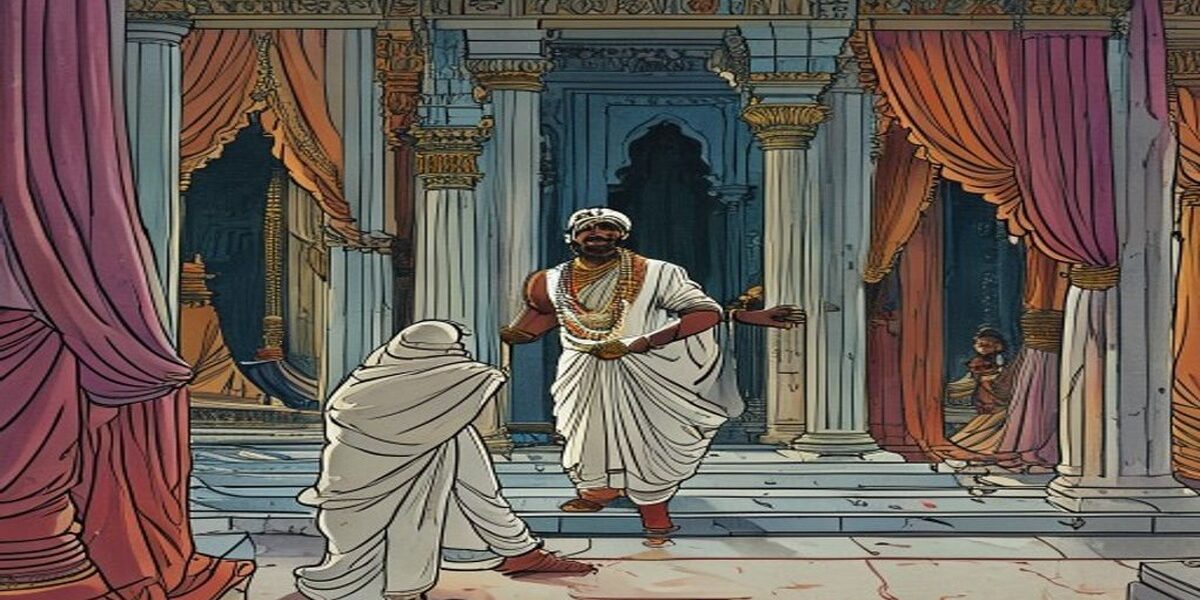
The Thief and the Brahmins
Canonical Attribution and Manuscript Tradition
This tale belongs to Pancatantra Book I, Mitra-bheda, and addresses a specific vulnerability that arises in groups of learned or pious individuals: the tendency to extend trust based on apparent shared values, without adequate verification of the newcomer’s actual character. The story is preserved in all major Sanskrit recensions including the Tantrakhyayika (c. 200 BCE, Kashmir) and paralleled in the Hitopadesha. Within the Pancatantra’s didactic programme it extends the collection’s critique of misplaced trust — illustrated elsewhere through the foolish sage and the jackal — into the domain of collective decision-making: when a group collectively decides to trust an unverified stranger, the individual within the group who objects and is overruled becomes the recipient of the consequences that the majority chose to accept. The tale is also, specifically, about a thief who announces himself as a thief and is nonetheless admitted to trust: the Pancatantra is examining the most extreme form of the misplaced-trust failure, where the evidence against trust was explicit and was disregarded.
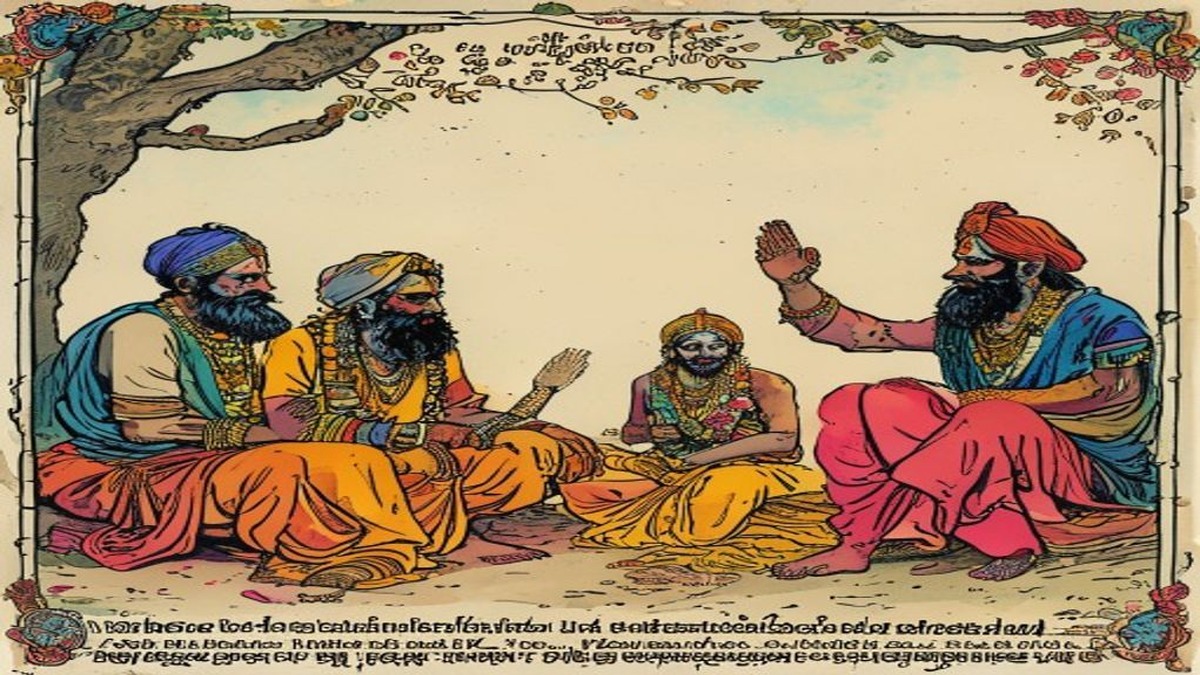
Beat I — The Travelling Brahmins and the Stranger
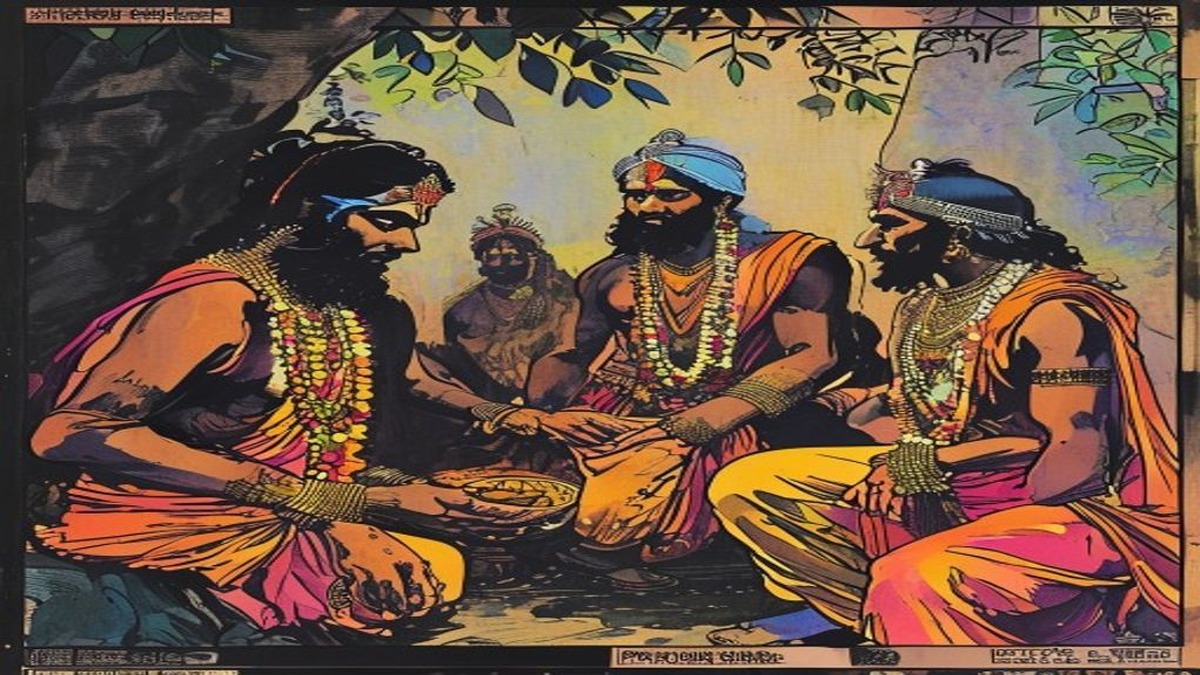
A group of Brahmin scholars were travelling together on a pilgrimage. A stranger approached them on the road and asked to join their company. One of the Brahmins, the most cautious and perceptive of the group, was immediately suspicious. The stranger’s manner was slightly off; something in his presentation was too careful, too studied. The cautious Brahmin said: we do not know this man; we should not admit him to our company without verification of who he is.
The other Brahmins disagreed. The stranger seemed educated, spoke respectfully of sacred matters, and presented himself as a fellow pilgrim. What reason was there to exclude him? The cautious Brahmin’s objection was noted and overruled. The stranger joined the group. This is the tale’s first critical moment: the majority decision overriding the one voice of caution. The Pancatantra does not present the majority as malicious; they were applying the same generous interpretation that had served them well in other contexts. The error was applying it to a context where it was not appropriate — specifically, to a stranger who had not been verified and whose presentation, however polished, was the only evidence available.
Beat II — The Confession and the Second Decision
As the group travelled, the stranger gradually revealed more about himself. Whether through calculation or carelessness, he eventually disclosed that he was a thief. This disclosure — a confessed thief travelling with Brahmin pilgrims — created a second decision point. The cautious Brahmin renewed his objection with considerably more force: this man has told us he is a thief; we must part ways. The majority again demurred. The man had been honest with them; he had confessed rather than concealed; surely this honesty indicated that he could be trusted. He was repentant; he sought better company; they should give him the chance to demonstrate his change of character.
The Pancatantra identifies this second decision as the more serious error of the two. The first decision — admitting an unknown stranger — was a failure of verification in ambiguous conditions. The second decision — retaining a confessed thief in the company’s confidence — was a failure of response to explicit evidence. The majority’s reasoning, while superficially charitable, confused honesty about past crimes with evidence of changed character. The thief had disclosed his past; this was evidence of candour, not of reformation. The two are not the same thing, and the Brahmins had treated them as though they were.
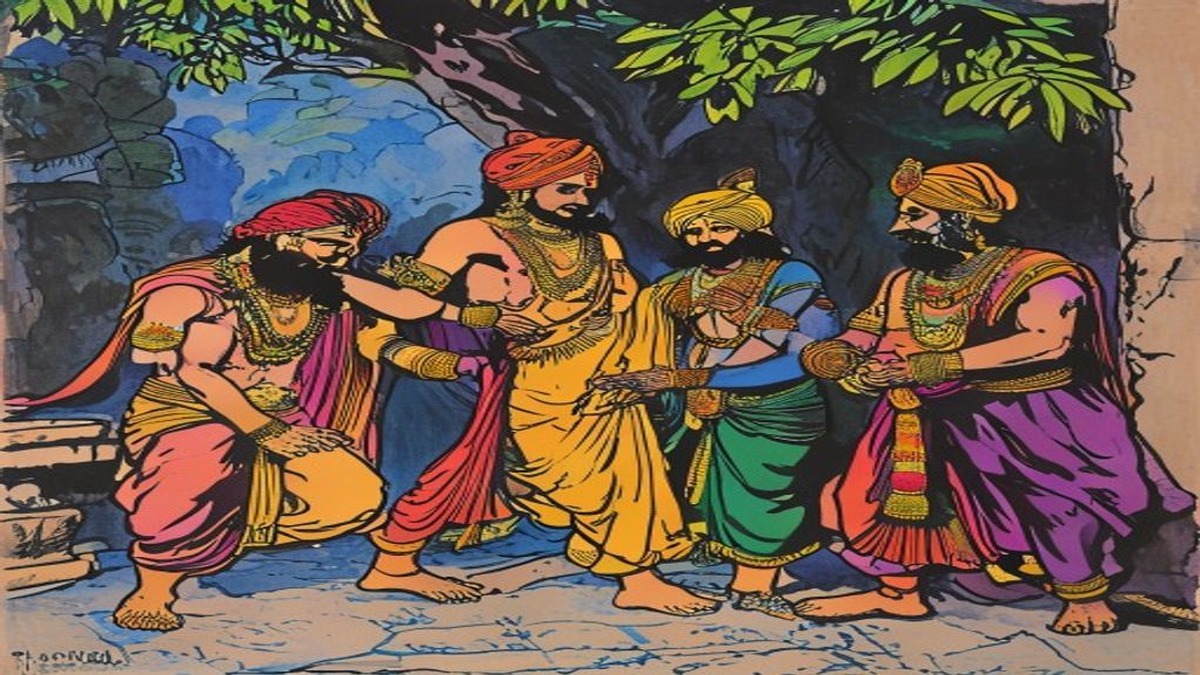
Beat III — The Theft
The thief, having established himself within the group’s trust by surviving two rounds of objection and being retained, stole from the Brahmins when the opportunity presented itself — taking their valuables, their donated funds, and whatever else was portable and worth taking. He departed before the theft was discovered. The Brahmins found themselves robbed by the very man one of them had twice warned them against admitting and retaining.
The cautious Brahmin, whose judgment had been correct at every stage and who bore the same material losses as the others despite having been right, made no particular observation about having been correct. The Pancatantra does not give the cautious Brahmin a triumphant speech. The point has already been made structurally: two decision points, correct objection at both, majority override at both, and a theft that could have been avoided at either. The cautious Brahmin’s silence is itself a comment: there is nothing to say that the situation has not already said.
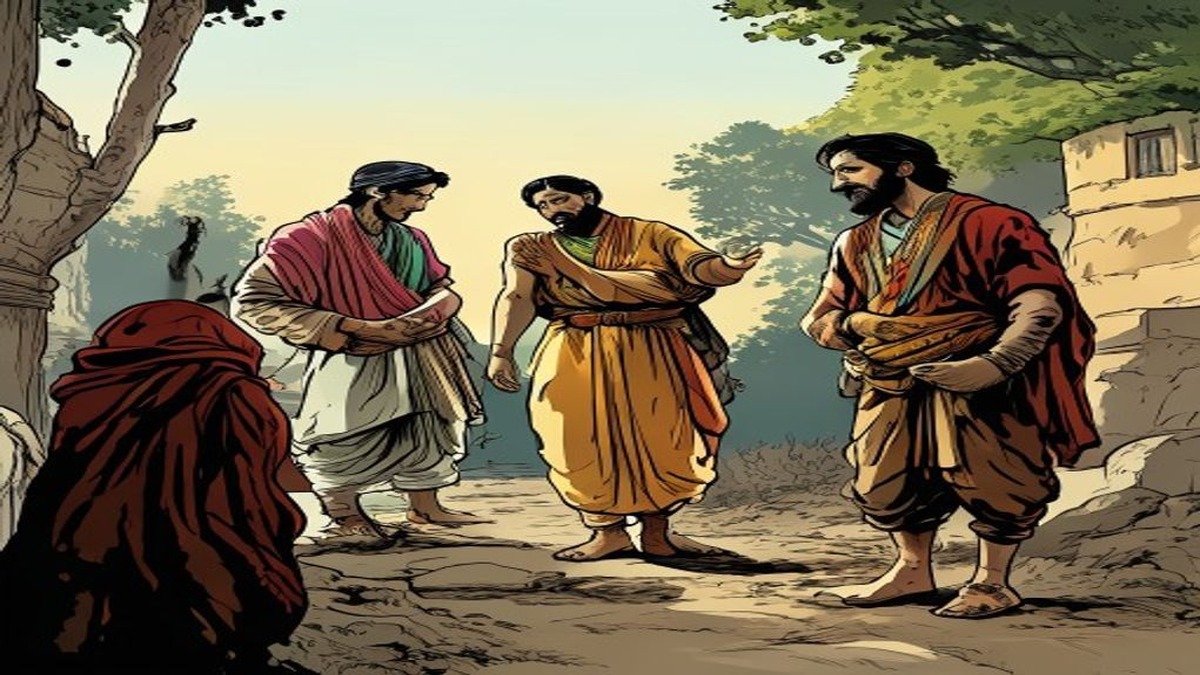
Beat IV — What the Thief and the Brahmins Teaches About Collective Trust Decisions
Vishnu Sharma’s tale operates specifically in the register of collective decision-making, which distinguishes it from the Pancatantra’s other misplaced-trust tales. The foolish sage and the jackal involves a single individual making a trust decision alone. This tale involves a group, in which one member has correct judgment and is overruled by the majority. This is a different and more complex institutional problem: when the individual with correct judgment is in the minority, the consequences of the majority’s error fall on all members of the group equally, including the person who was right.
For Vishnu Sharma’s royal pupils the application is direct. Councils make collective decisions about who to trust. The individual councillor who objects and is overruled shares the consequences of the majority’s error even if their judgment was sound. This creates the institutional obligation to build decision-making processes that give weight to the dissenting voice proportional to the evidence behind it. At two successive decision points, the cautious Brahmin had stronger evidence than the majority — first the absence of verification, then an explicit confession — and was overruled both times.
Moral and Sanskrit Wisdom Tradition
“Do not admit to your confidence one who has confessed a crime; candour about the past is not evidence of changed character.”
— Moral of The Thief and the Brahmins, Pancatantra Book I (Mitra-bheda)
This moral draws a precise distinction that the Pancatantra’s charitable majority failed to make: between the honesty that produces a confession and the change of character that would make the confession safe to rely on. The Arthashastra of Kautilya addresses the same distinction in its treatment of criminals seeking rehabilitation within royal service: a criminal’s declaration of reformed intent is noted but is not sufficient for admission to positions of trust; verified reformed behaviour over time is required. The Brahmins admitted a confessed thief to their confidence on the basis of the confession’s honesty. Kautilya would have required demonstrated reform, not the mere announcement of it. Vishnu Sharma’s tale demonstrates, through the theft, why Kautilya’s standard was the correct one.
Why This Story Has Lasted 2,300 Years
The Thief and the Brahmins endures because the errors it describes — extending trust based on apparent shared values without verification, and then retaining a confessed criminal on the grounds that the confession indicates honesty — are errors that recur in every context where groups make collective trust decisions. The specific confusion of candour with reformed character is particularly persistent: in institutions, communities, and political bodies, the person who acknowledges past wrongdoing often receives more trust than they have earned, because the acknowledgment is read as evidence of transformation rather than simply as evidence of honesty. The Pancatantra’s correction is blunt: what the confession tells you is that they will tell you the truth; it does not tell you they have stopped doing what they told the truth about.
Sanskrit Tradition: Tantrakhyayika (c. 200 BCE, Kashmir); Hitopadesha
Key Distinction: Candour about past crime vs. evidence of changed character — these are not the same thing
Author: Vishnu Sharma (attributed, c. 3rd century BCE)
Arthashastra Parallel: Kautilya’s requirement of demonstrated reformed behaviour, not merely declared reformed intent, for trust in sensitive positions
You May Also Like
 Panchatantra Stories
Ages 6-8
Panchatantra Stories
Ages 6-8
The Brahmani and the Mongoose
The Brahmani and the Mongoose: A timeless Indian folk tale where one moment of rage destroys lifelong trust. the brahmani's hasty act reveals wisdom's price.
 Panchatantra Stories
Ages 3-5
Panchatantra Stories
Ages 3-5
Union Is Strength
Union Is Strength: Long ago, there lived a flock of pigeons in a dense forest. In the flock, there was an old pigeon who was very wise. All the pigeons
 Panchatantra Stories
Ages 9-12
Panchatantra Stories
Ages 9-12
The Story of Chakradhara.
The Story of Chakradhara.: In a certain town, there lived four young fellows, who were the sons of Brahmins They were very friendlywith each other. But they