The Lion and The Jackal
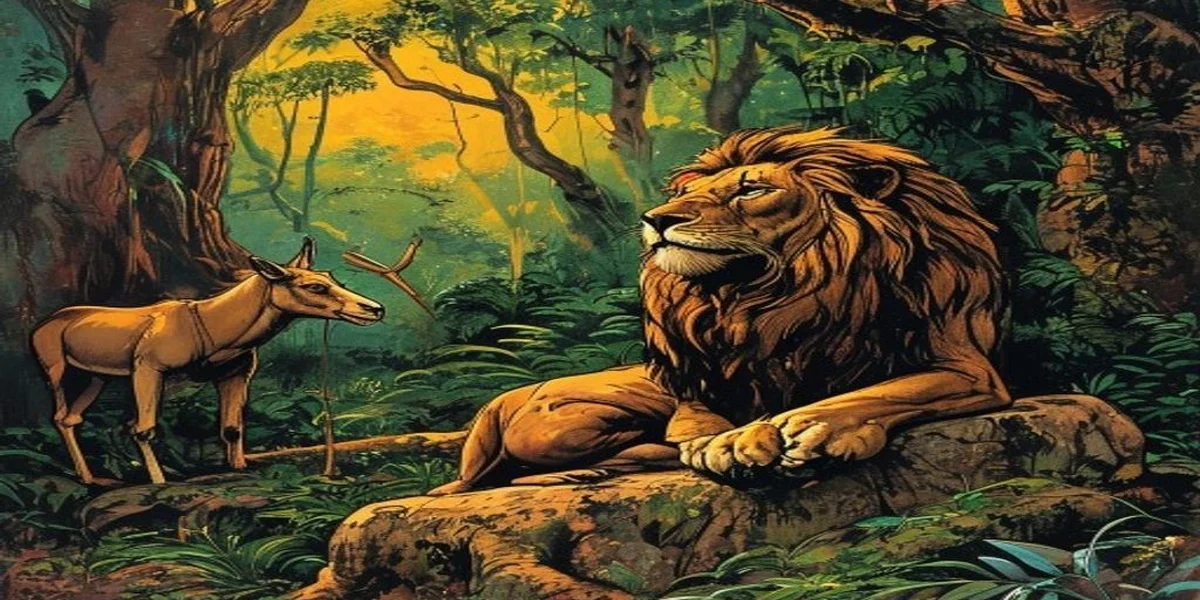
The Lion and The Jackal: Vajradanstra was a lion living in a forest. He had two friends, a jackal named Chaturaka and a wolf named Kravyamukha. Because of
The Lion and the Jackal
Canonical Attribution and Manuscript Tradition
This tale belongs to Pancatantra Book I, Mitra-bheda, and explores one of the collection’s most politically urgent themes: the relationship between a powerful ruler and an intelligent advisor, and the limits of the advisor’s capacity to protect a ruler who ultimately overrides sound counsel. The story is preserved in all major Sanskrit recensions including the Tantrakhyayika (c. 200 BCE, Kashmir) and appears in parallel in the Hitopadesha. The pairing of lion and jackal as ruler and advisor is a recurring structural feature of the Pancatantra: the lion provides physical power and authority; the jackal provides intelligence and strategic counsel. The tale’s contribution is to examine the situation in which the advisor has done everything correctly — identified the danger, assessed it accurately, communicated it clearly — and the ruler has acted contrary to that counsel. The Pancatantra is honest about the outcome in such cases: even the best advisor cannot protect a ruler who will not be protected.
Beat I — The Alliance and the Warning
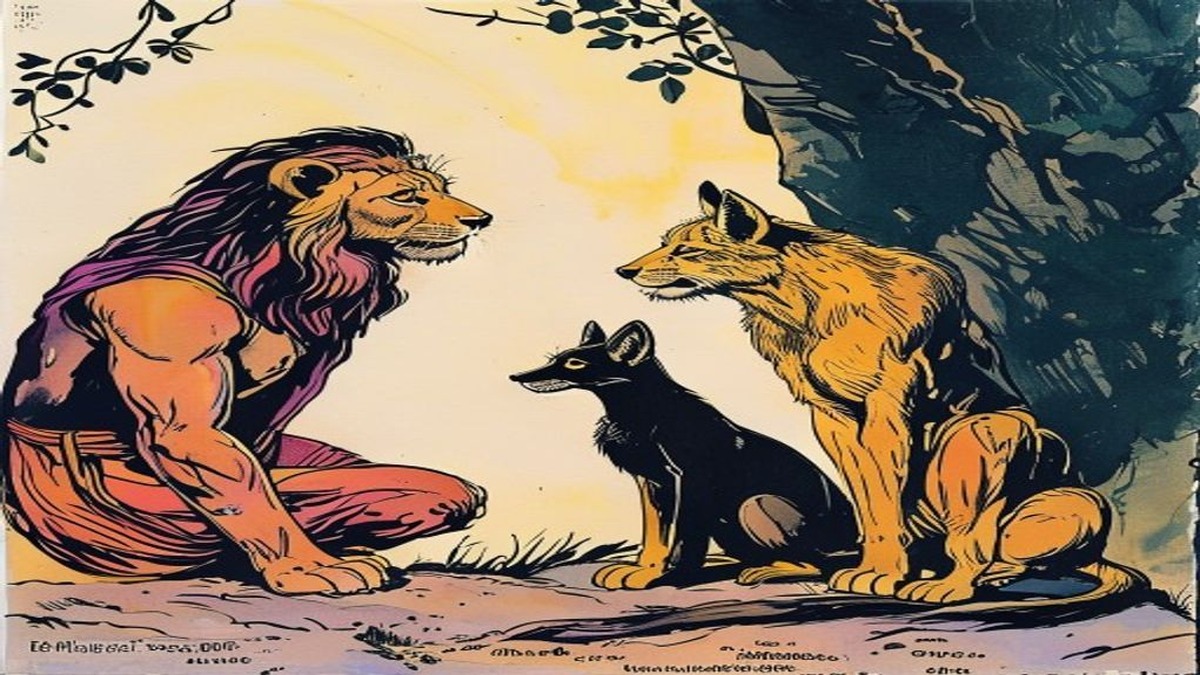
A lion and a jackal lived together in a relationship of mutual dependence: the lion hunted and killed; the jackal fed on what the lion left and provided intelligence, strategic advice, and awareness of threats the lion’s directness might miss. The arrangement worked well when the lion listened. A situation arose in which the jackal identified a clear danger to the lion — a trap, a rival, or an adversary whose capabilities the lion was underestimating. The jackal assessed the situation correctly and communicated its assessment to the lion with full clarity: this is dangerous; this is why; this is what I recommend instead.
The lion heard the warning. The lion did not dismiss it as incorrect; the lion acknowledged the jackal’s concern. The lion’s response, however, was characteristic of the powerful who have not yet experienced the consequences of ignoring good counsel: the lion felt that its own strength was sufficient to handle whatever the situation presented, and that the jackal’s caution, while perhaps appropriate for a jackal, was not necessary for a lion. The lion proceeded as it had intended to proceed before the warning.
Beat II — The Consequence
The situation played out as the jackal had assessed it would. The danger the jackal had identified was real; the lion’s confidence in its own strength was not sufficient to neutralise it; and the lion suffered the consequence the jackal had warned it would suffer. The specific nature of the consequence varies across recensions — injury, capture, defeat, or death — but the structural point is consistent: the jackal’s analysis was accurate, and the lion’s override of that analysis produced exactly the outcome the jackal had predicted.
The jackal, having warned the lion and having been overruled, was not in a position to prevent the outcome. It had done what an advisor can do: assess accurately, communicate clearly, and recommend appropriately. The rest was the lion’s decision. The Pancatantra does not present the jackal as having failed; the jackal performed its function correctly. The failure was the lion’s alone, and the consequence was the lion’s alone to bear. The jackal survived, as those who give good counsel and are overruled often do — their counsel having been rejected, they are not in the position that made the counsellee vulnerable.
Beat III — The Pancatantra’s Account of the Advisor’s Limits
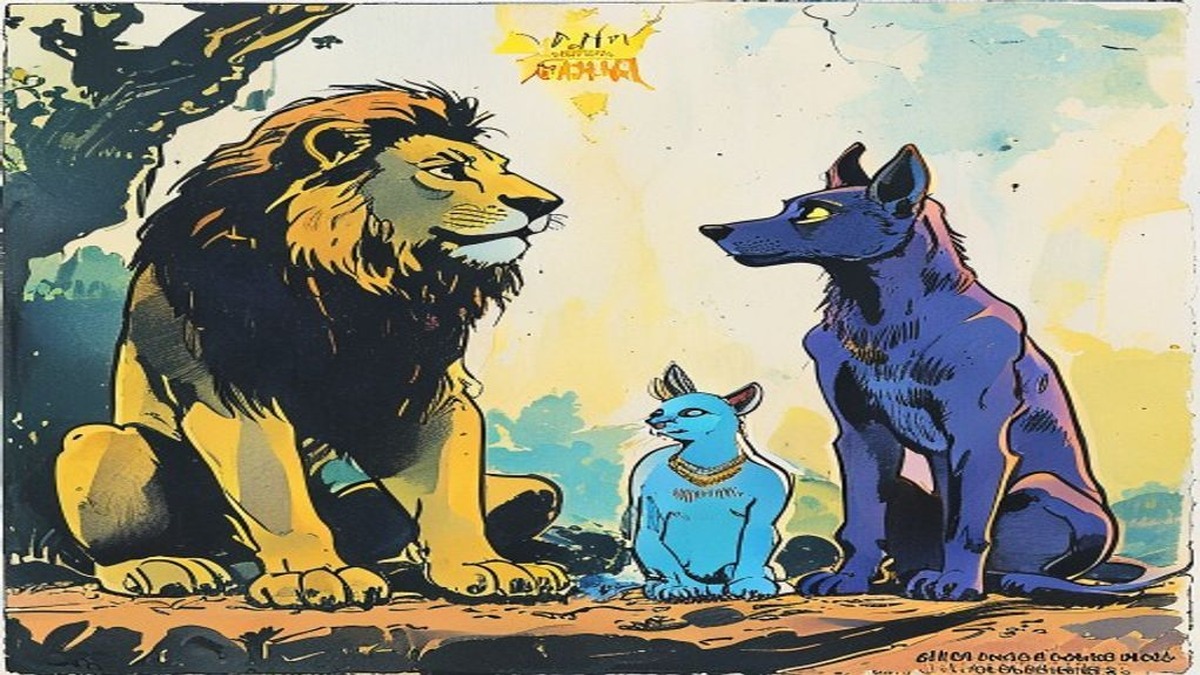
Vishnu Sharma uses this tale to define the boundary of the advisor’s responsibility with precision. The advisor’s duty is to assess, communicate, and recommend. It is not to compel. A ruler who has been given accurate assessment, clear communication, and sound recommendation has received everything the advisor can properly provide. If the ruler then acts contrary to the recommendation, the advisor is not responsible for the outcome; the ruler is. This is not a counsel of passivity for advisors: the Pancatantra elsewhere makes clear that an advisor who does not warn, who softens the assessment to avoid discomfort, who withholds the recommendation to preserve the relationship, has failed. But an advisor who has warned correctly and completely has fulfilled their function.
The political implication for Vishnu Sharma’s royal pupils is dual. As future rulers, they are instructed that the intelligent advisor’s warning must be assessed on its merits, not dismissed on the grounds of the ruler’s confidence in their own capabilities. The lion’s error is not in being powerful; it is in allowing power to substitute for the assessment that the jackal’s warning demands. As future advisors or ministers, they are told that their obligation extends to accurate assessment and clear communication; beyond that, the decision and its consequences belong to the ruler.
Beat IV — What the Lion’s Choice Teaches About Power and Counsel
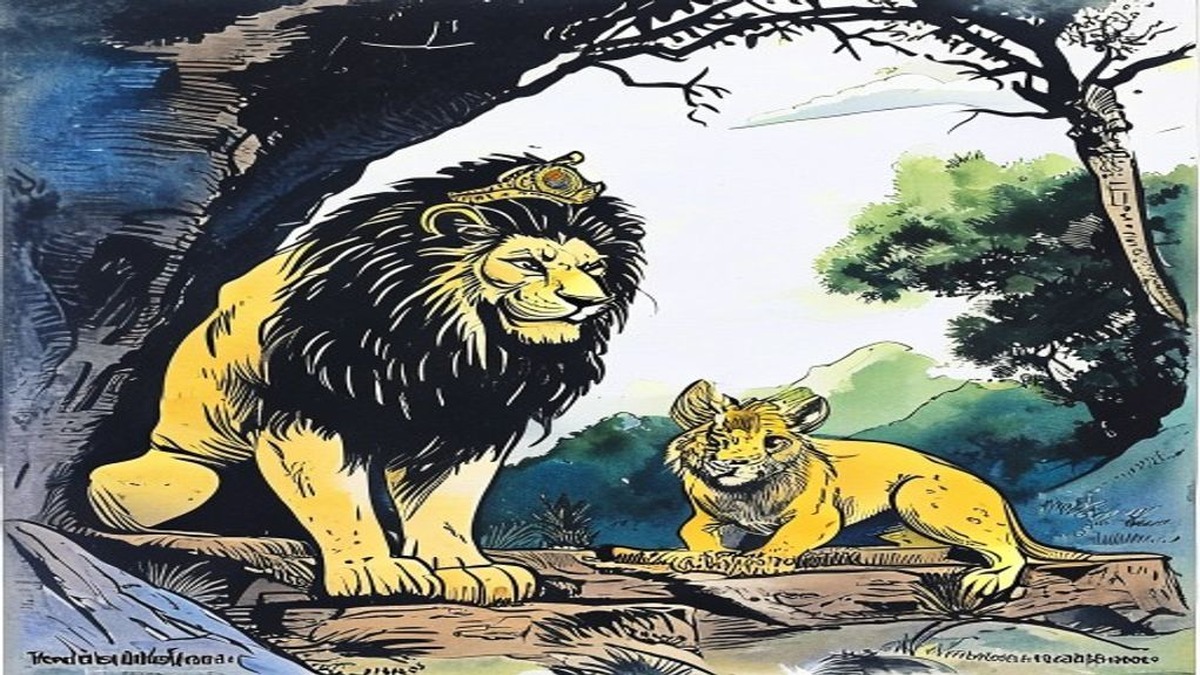
The Pancatantra returns repeatedly to the relationship between physical power and strategic intelligence, and consistently argues that physical power without strategic intelligence is a diminished and fragile form of strength. The lion-jackal pairing embodies this argument structurally: neither is complete without the other. The lion without the jackal is powerful but blind to dangers its power cannot address. The jackal without the lion has intelligence but lacks the capacity to act in the world that its intelligence reveals. Together they are more than either alone.
The lion’s error in this tale is the severing of this complementarity at the critical moment: it retained the jackal’s intelligence in all the situations where that intelligence was comfortable and confirmatory, and overrode it at precisely the moment when it was most necessary. This is the pattern the Pancatantra identifies most consistently as the source of rulers’ downfall: not the absence of good counsel but the selective acceptance of it, the tendency to hear advisors when they say what the ruler already wants to hear and to dismiss them when they say what the ruler does not. The Arthashastra of Kautilya prescribes institutional structures — councils, multiple advisors, structured debate — precisely to create friction against this tendency.
Moral and Sanskrit Wisdom Tradition
“The advisor who warns correctly has fulfilled their duty; the ruler who overrides good counsel owns the consequence.”
— Moral of The Lion and the Jackal, Pancatantra Book I (Mitra-bheda)
This moral defines the ethical boundary between the advisor’s responsibility and the ruler’s authority with unusual precision for a fable collection. The Arthashastra of Kautilya approaches the same boundary from the institutional side: advisors who fail to warn are culpable; rulers who override accurate warnings are themselves the source of the resulting harm. The Pancatantra approaches it narratively: the jackal warned; the lion overrode; the consequence was the lion’s. Vishnu Sharma is teaching his pupils both sides of the relationship simultaneously — as future advisors, warn accurately and completely; as future rulers, hear the warning on its merits rather than through the filter of confidence in your own power.
Why This Story Has Lasted 2,300 Years
The Lion and the Jackal endures because the situation it describes — the accurate warning given and overridden by the powerful — is one of the most recurring and most costly patterns in political and institutional life. Every generation produces advisors who assess correctly and are not heeded, and rulers or leaders who discover too late that the warning they dismissed was the warning they most needed. The tale’s honesty about the advisor’s limits is part of its durability: it does not suggest that the right warning, delivered correctly, will always be heard. It insists only that delivering it correctly is the advisor’s obligation, and that everything else is the ruler’s responsibility. This is not a comfortable moral; it is an honest one, and its honesty is precisely what has made it last.
Sanskrit Tradition: Tantrakhyayika (c. 200 BCE, Kashmir); Hitopadesha
Structural Pairing: Lion (power/authority) + Jackal (intelligence/counsel) — complementary strengths and the cost of severing them
Author: Vishnu Sharma (attributed, c. 3rd century BCE)
Arthashastra Parallel: Kautilya’s institutional structures designed to create friction against selective hearing of counsel
You May Also Like
 Panchatantra Stories
Ages 6-8
Panchatantra Stories
Ages 6-8
The Story of the Bug and the Flea
The Story of the Bug and the Flea: In a certain country lived a king who had a verybeautifully decorated bedroom. An exquisite white silksheet covered the bed
 Panchatantra Stories
Ages 3-5
Panchatantra Stories
Ages 3-5
The Talking Turtle
A chatty turtle flies high in the sky holding a stick between two clever geese, but his talking tongue will bring him crashing down in this funny Panchatantra fable.
 Panchatantra Stories
Ages 6-8
Panchatantra Stories
Ages 6-8
The Cobra and the Crows
The Cobra and the Crows: Even a very powerful enemy can be destroyed through deceit.” There was a big banyan tree, where two crows husband and wife, had