The King Who Was Fried
The King Who Was Fried: Once upon a time, a very long time ago indeed, there lived a King who had made a vow never to eat bread or break his fast until he had
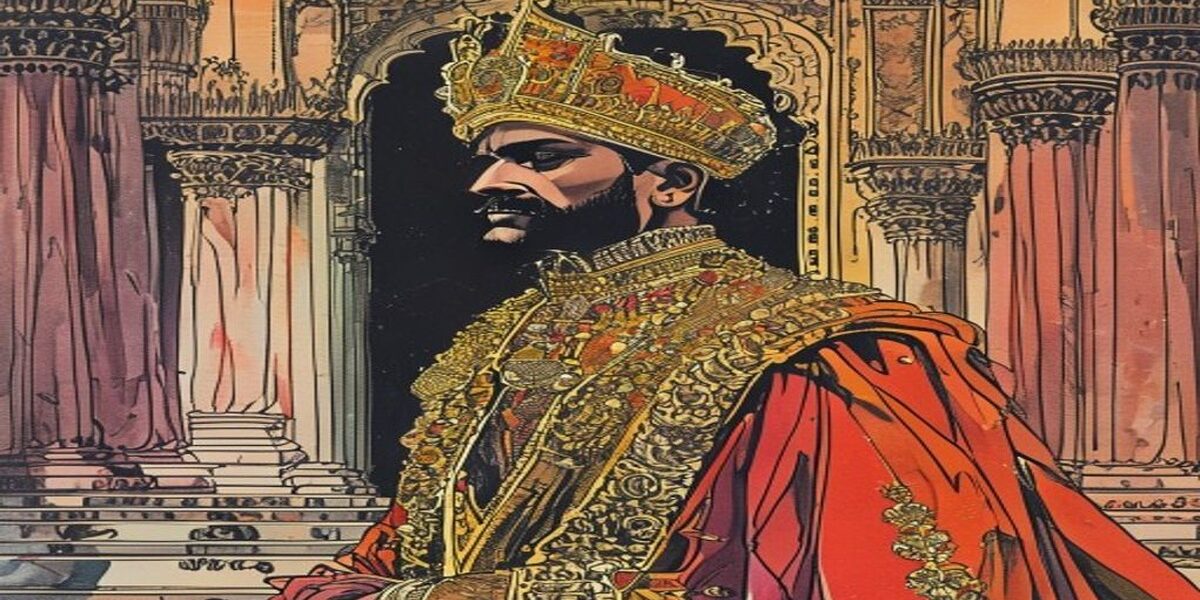
A king is fried. The title is so startling, so deliberately provocative, that it announces immediately a tale of radical transformation — not merely of a character who changes through experience, but of a ruler subjected to a physical ordeal so extreme that the boundary between metaphor and event dissolves. Whether the frying is literal (a magical or alchemical process that purifies through fire) or figurative (a king subjected to a transformative trial that “fries” his former self), this tale belongs to the Indian narrative tradition’s most intense sub-genre: the story of the ruler who is unmade and remade through an ordeal that no ordinary mortal could survive.
I. The Ordeal as Initiation: Fire, Oil, and Transformation
The use of extreme physical processes — boiling, burning, immersion, burial — as transformative or purificatory ordeals is among the most ancient and widely distributed motifs in world mythology. In the Indian tradition, such ordeals appear across multiple registers: the Vedic agnihotra (fire sacrifice) as purification and renewal, the rasayana (alchemical) texts that describe the transformation of base substances through fire into gold or into life-extending elixirs, and the folk tradition’s numerous stories of characters who survive impossible physical trials to emerge with new capacities, new identities, or new cosmic standing.
The king who is fried participates in this ordeal tradition. The act of frying — immersion in oil heated to extreme temperatures — is simultaneously destructive and potentially transformative. In Indian alchemical literature, the processing of mineral and organic substances through fire and oil is a standard purification technique: mercury processed with sulphur in the rasayana tradition, metals purified through repeated heating and quenching. The folk imagination extended this alchemical logic to persons: what if the same process that purifies mercury could purify a ruler? What if the king who emerges from the cauldron is not dead but transformed — more potent, more enduring, more genuinely royal than the one who entered?
This transformation-through-ordeal logic has deep roots in Indian kingship ideology. The Vedic rajasuya ceremony — the royal consecration — involved ritual purifications including symbolic immersion and processing of the king’s body through sacred fire. The folk tale externalises and dramatises what the ritual ceremony enacts symbolically: the king must be processed through an extreme state to become the king he was consecrated to be. The frying is the folk equivalent of the rajasuya’s fire rites — taken to their logical, literal extreme.
II. The Trickster Reading: Deceived into the Cauldron
Indian folk tradition also offers a more comic reading of the frying king motif, one that does not require alchemical or initiatory logic. In numerous South Asian trickster tales, a clever figure deceives a powerful but credulous ruler into submitting to an absurd or dangerous “treatment” — typically by demonstrating the treatment’s supposed benefits on a substitute (an animal, a minor character, or an object) and then persuading the king that the same treatment will grant him immortality, youth, power, or wisdom.
The trickster-version of the frying king tale is a story about the abuse of royal credulity. The king who submits to being fried because a clever charlatan has promised extraordinary results is a ruler who has forgotten that extraordinary claims require extraordinary evidence, and whose vanity (the desire for more power, more youth, more capacity) has made him vulnerable to manipulation. The trickster’s genius is to identify this vanity and offer it precisely what it most desires, with a process dramatic enough to seem commensurate with the claimed reward.
The social critique implicit in this reading is pointed: a king who can be convinced to climb into a frying pot by a sufficiently confident charlatan is a king who has lost the discernment (viveka) that kingship requires. He has confused theatrical spectacle for evidence, the charlatan’s confidence for expertise. The folk audience’s laughter at the king’s predicament is not merely comedy; it is a democratic judgment about the quality of royal judgment. A ruler who can be so easily deceived about something as fundamental as his own bodily safety is a ruler who cannot be trusted to govern wisely.
III. What Emerges: The Transformed or the Chastened King
The tale’s resolution depends on which reading is operative — the initiatory or the trickster. In the initiatory reading, the king who survives the frying emerges genuinely transformed: with deeper wisdom, with the capacity to endure what ordinary mortals cannot, with a new relationship to suffering and to power. He has paid the price that genuine sovereignty demands — the willingness to undergo what he asks his subjects to endure — and he has been remade by the paying. This king is a better ruler after the cauldron than he was before it.
In the trickster reading, the king who is deceived into the pot does not emerge transformed but chastened — or does not emerge at all, depending on the tale’s comic register. The chastened king learns that claims of magical transformation should be tested before accepting; that the desire for extraordinary power makes one vulnerable to extraordinary deception; and that discernment is as necessary to the royal person as military courage or diplomatic skill. These are lessons that the folk tradition believed rulers genuinely needed, and that trickster tales were uniquely positioned to deliver because their comic mode made the message palatable even for a royal audience.
Both readings share a structural insight: the king who encounters the frying pot is not the same as the king who emerges from it. Something essential has changed — whether through genuine transformation or through the education of a painful deception. The cauldron, in both readings, is the instrument of that change, and the tale exists to dramatise the change and make it available as a lesson for its audience.
“No king is truly made until he has been unmade — and survived the process.”
— Saying from the Indian royal consecration tradition
Why This Story Lasted
The King Who Was Fried lasted partly because of its unforgettable premise: a king, subjected to cooking, survives to tell the tale. The sheer improbability of the image generates the attention that allows the tale’s deeper lesson to register. Folk narrative has always understood that the best container for wisdom is the most startling story, and a fried king is startling enough to carry quite a lot of wisdom.
Beyond the initial shock, the tale lasted because it addresses something real about the relationship between power and transformation. Every tradition of kingship — Indian, Chinese, Egyptian, European — has some version of the insight that the ruler must be transformed before they can transform others; that the capacity to govern is not given at birth or at coronation but is acquired through ordeal. The folk tradition’s version of this insight is more visceral and more democratic than the official ceremony’s version, and it has therefore been more durable: the image of the king in the pot is easier to remember, and to apply, than the ritual texts of the rajasuya.
What is the significance of the frying ordeal in Indian folk tradition?
In Indian folk and alchemical tradition, extreme physical processes — boiling, burning, immersion in oil — serve as transformative or purificatory ordeals. The rasayana (alchemical) texts describe processing substances through fire and oil to purify and potentiate them; folk tales apply this logic to persons. A king who is fried and survives has undergone an initiatory transformation analogous to what the Vedic rajasuya ceremony enacts symbolically — a radical remake of the royal person that produces a more potent, more genuinely sovereign ruler.
What is rasayana in Indian tradition?
Rasayana (literally “path of essence” or “path of mercury”) is the Indian alchemical tradition concerned with the transformation of substances — especially mercury, sulphur, and various minerals — through elaborate processing involving fire, acid, and other treatments to produce life-extending medicines and transformed materials. The tradition also included human rasayana practices: dietary, herbal, and ritual regimens intended to renew and potentiate the human body. Folk tales about rulers transformed through extreme physical ordeals draw on the same conceptual framework: fire processes and purifies, and what emerges from the fire is not the same as what entered it.
How does the trickster version of this tale differ from the initiatory version?
The initiatory version presents the frying as a genuine transformative ordeal that the king undergoes willingly and from which he emerges with new wisdom and capacity. The trickster version presents a credulous king deceived by a charlatan’s promise of extraordinary powers into submitting to a dangerous “treatment.” In the trickster reading, the tale is a social critique of royal credulity — the king’s vanity (desire for more power or youth) makes him vulnerable to manipulation, and his willingness to enter the pot without adequate discernment is evidence of dangerously poor judgment.
What is the rajasuya ceremony and how does it relate to this tale?
The rajasuya is the Vedic royal consecration ceremony, one of the most elaborate rituals in ancient Indian tradition, involving purifications, symbolic re-enactments of cosmic creation, and ritual processing of the king’s person through sacred fire. The ceremony’s logic is transformative: the king who emerges from the rajasuya is not merely the same person with a new title but a ritually remade being capable of exercising genuine sovereignty. The folk tale of the king who was fried externalises and dramatises this initiatory logic in its most literal, visceral form — the cauldron as folk rajasuya.
What does the fried king tale teach about the nature of sovereignty?
The fried king tale teaches, across both its initiatory and trickster readings, that sovereignty is not given but made — and made through ordeal rather than mere inheritance or election. The initiatory reading holds that the capacity to govern is acquired through the willingness to undergo what ordinary mortals cannot; the king remade through the cauldron is a more genuine ruler than the untested one. The trickster reading teaches that sovereignty requires discernment: a king who cannot distinguish genuine transformation from charlatan deception is a king who cannot be trusted to govern wisely. Both readings insist that kingship demands more than ceremony — it demands a person capable of surviving the ordeal that genuine authority imposes.
Frequently Asked Questions
**Q: Why is this story important?**
You May Also Like
 Aesop's Fables
Ages 3-5
Aesop's Fables
Ages 3-5
Monkey Crocodile
A monkey's friendship with a crocodile ends in tragedy when greed enters their happy life.
 Aesop's Fables
Ages 3-5
Aesop's Fables
Ages 3-5
Internet- The life Saver
Internet- The life Saver: While friends of her age would throw out parties, hang on movie theaters, enjoy weekends in pubs and coffee shops, she would savor
 Aesop's Fables
Ages 3-5
Aesop's Fables
Ages 3-5
The Donkey and His Shadow – An Aesop’s Fable
The Donkey and His Shadow – An Aesop’s Fable: Once in Africa there lived a man and his donkey. The man earned his living by hiring his donkey out to travelers.