Shandili and the Sesame Seeds
A Panchatantra tale about a poor Brahmin's wife Shandili, a suspicious trader, and why something too good to be true usually isn't. A classic lesson in caution.
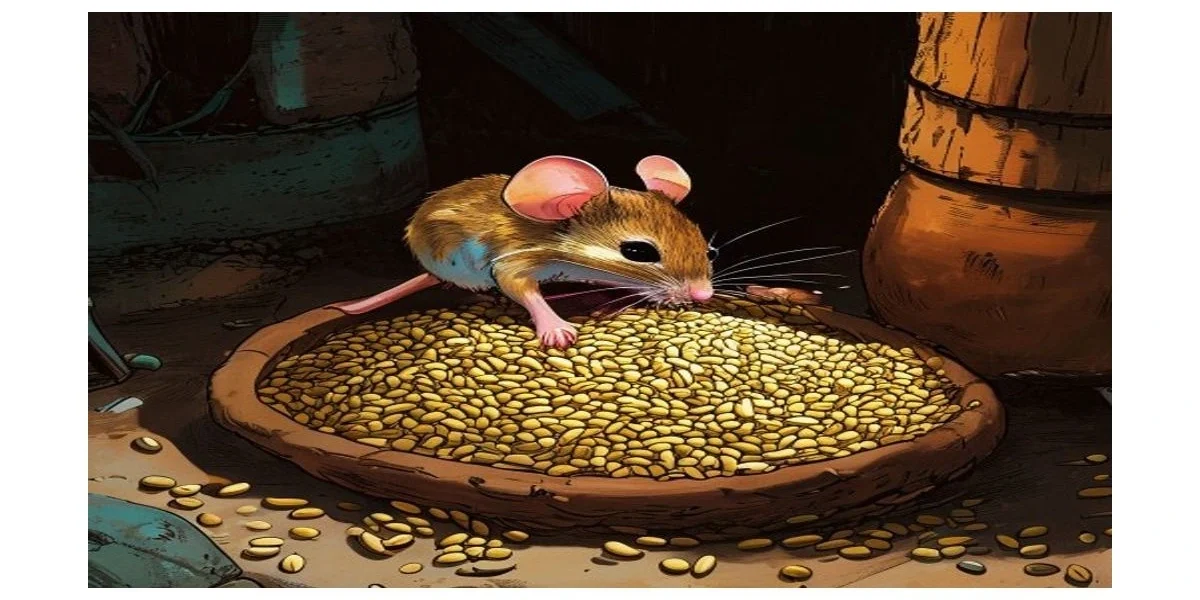
Shandili and the Sesame Seeds
Canonical Attribution and Manuscript Tradition
This tale belongs to Pancatantra Book I, Mitra-bheda, and is among the collection’s most psychologically vivid demonstrations of a specific cognitive failure: the substitution of anticipated future gains for present actual circumstances, leading to actions calibrated to the imagined future rather than to reality. The story is preserved in all major Sanskrit recensions including the Tantrakhyayika (c. 200 BCE, Kashmir) and paralleled in the Hitopadesha. Its close structural relative is the Aesopic tale of the milkmaid and her pail, and the story entered Arabic culture through Kalila wa Dimna (c. 750 CE), spreading subsequently into Persian and European collections under various names. The Pancatantra version focuses on the cascading quality of the fantasy: each step produces the next until imagined prosperity is so vivid the dreamer acts on it — and in acting destroys the actual foundation from which all imagined steps were to follow.
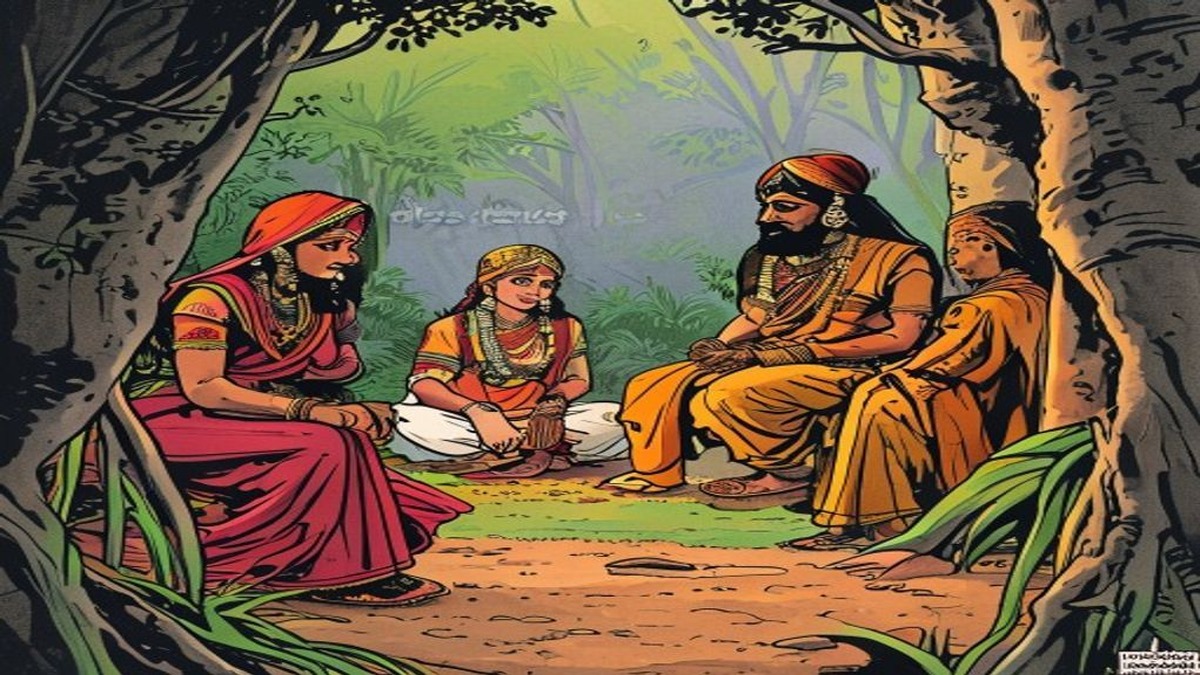
Beat I — The Seeds and the Dream
Shandili spread sesame seeds on a mat in the sun to dry. While she watched over them, her mind began to move. The seeds would sell. With the money she would buy a goat. The goat would have kids; she would sell the kids and buy a cow. The cow would give milk; she would sell the milk and accumulate enough to buy land. With land she would grow crops; the crops would yield a surplus; the surplus would buy oxen; the oxen would plough more land. Each step produced the next.
The individual inferences were locally valid: seeds do sell, goats produce kids, cows give milk, land yields crops. The failure was not in individual steps but in treating the whole sequence as already accomplished — the mental leap from seeds on the mat to a prosperous estate, so quick and vivid that the intermediate steps felt like facts. Shandili had arrived at the destination in her mind. The seeds were no longer seeds; they were the first step of a journey she had already completed.
Beat II — The Action and the Ruin
Rain came while Shandili was absorbed in her imagined prosperity. The rain that fell in the real world threatened the real sesame seeds drying on the real mat. Shandili, whose mind was in the imagined estate at the end of the chain, ran to gather the seeds against the rain — but in her haste and her mental displacement, she moved them carelessly, scattering and ruining them. The actual seeds, the real foundation of everything that was to follow, were destroyed in the act of protecting them, because the act of protection was calibrated not to the seeds’ actual value but to the vast imagined structure for which they were the prerequisite.
The structural point is already made: the fantasy had colonised the present and was directing action. The action it directed was not calibrated to present reality — a small number of seeds worth a modest amount if protected carefully — but to the imagined future in which those seeds were the first link of a chain leading to prosperity. The carelessness of the protective action reflected the mental displacement of the actor: she was already past the seeds.
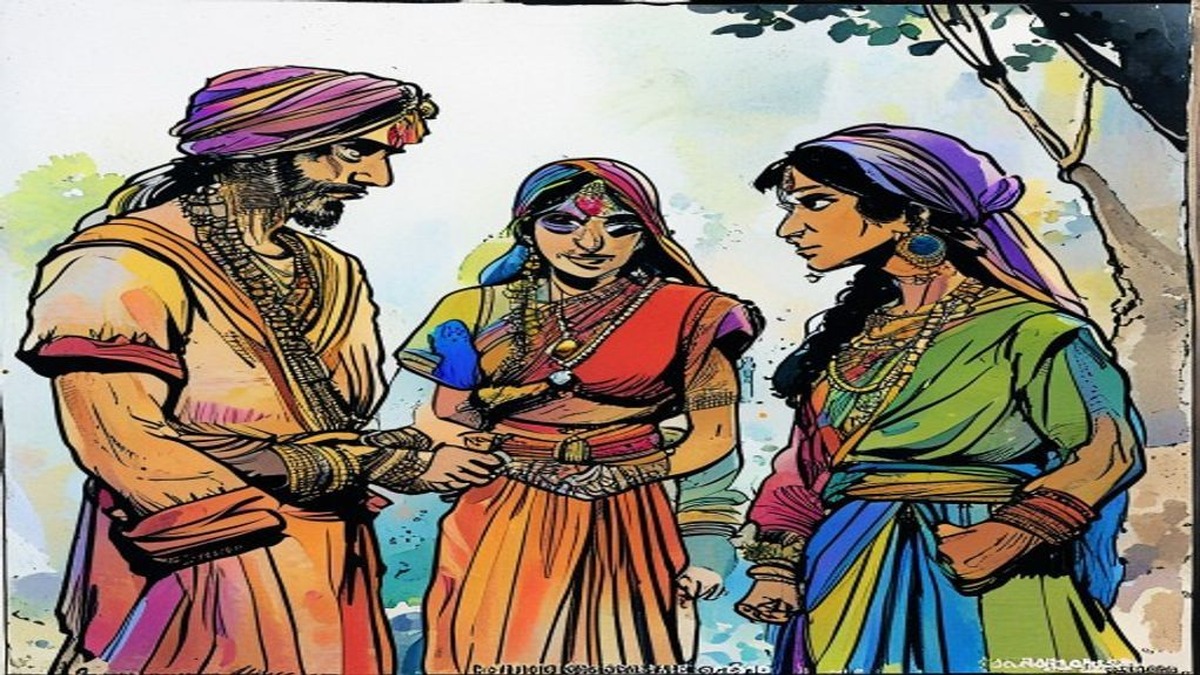
Beat III — The Pancatantra’s Anatomy of the Cascading Fantasy
Vishnu Sharma’s diagnosis is precise. The cascading fantasy begins from a real foundation; each step is locally valid; the steps accumulate into a chain of apparent necessity; and the chain becomes so internally consistent that it acquires the quality of fact rather than possibility. The dreamer is not making a simple error of confusing present and future; they are constructing an internally consistent structure that, by virtue of its consistency, feels true.
The parallel with the Pancatantra’s account of fear-reasoning is exact: fear generates a dangerous explanation and action follows as though it were fact; cascading fantasy generates a prosperous explanation and action follows as though that too were fact. The jackal’s terror about the drum was an explanation, not a fact; Shandili’s estate was an explanation, not a fact; both were acted upon as facts, with predictable results.
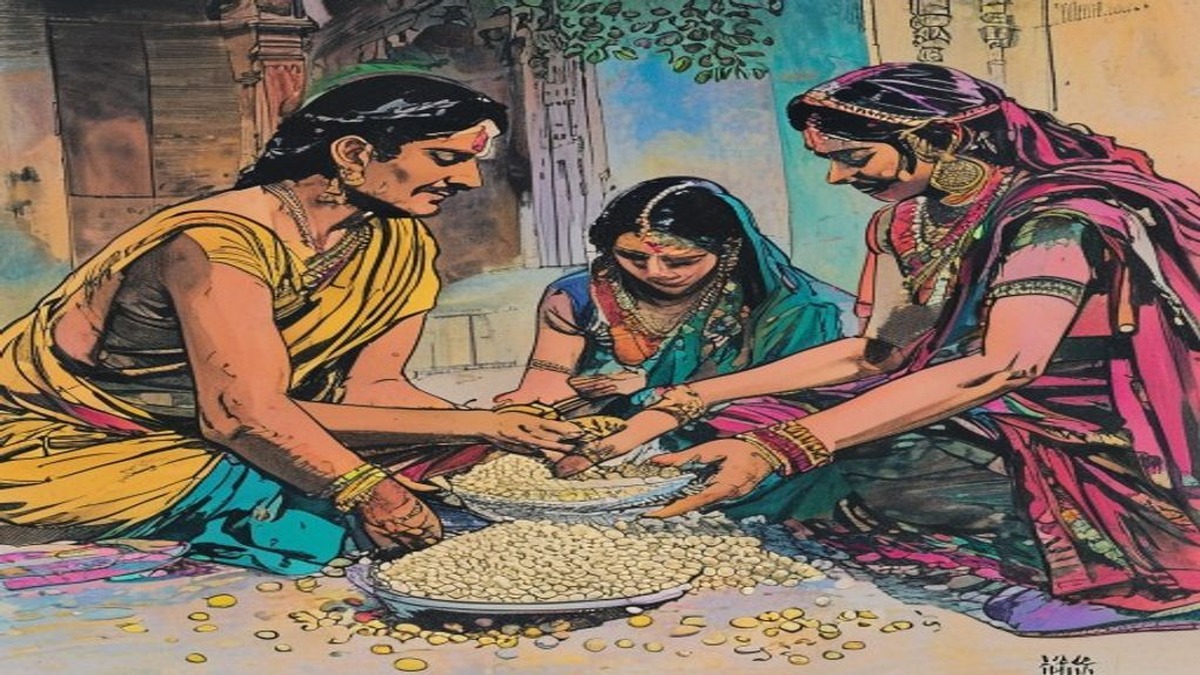
Beat IV — What Shandili’s Fantasy Teaches About Present and Future
For Vishnu Sharma’s royal pupils the political application is direct. Plans and projections are necessary in governance; the ability to reason about future consequences of present actions is essential. The failure the tale targets is not planning but the colonisation of the present by the plan — the moment at which projected future outcomes begin to direct present action as though they were already facts. The minister who makes commitments based on projected revenues before the revenues arrive, the general who deploys forces based on a projected victory before the battle is won, the diplomat who announces an alliance’s terms before the ally has confirmed them — all are Shandili scattering the seeds in the rush to protect the imagined estate.
Kautilya’s Arthashastra identifies anavekshanam — inattention to the actual situation — as a source of political error. Shandili was not attending to the seeds as seeds; she was attending to them as the first link in a chain already arrived at its destination. The rain was therefore not processed as an urgent threat to a modest actual asset but as a minor obstacle in an already-completed journey. The seeds were lost because their actual value was not in her attention when they needed her most.
Moral and Sanskrit Wisdom Tradition
“Count what you have, not what you will have; the action calibrated to the imagined future destroys the actual present.”
— Moral of Shandili and the Sesame Seeds, Pancatantra Book I (Mitra-bheda)
This moral engages with apramada (sustained attention to the actual situation) as a foundational virtue in governance. The Arthashastra identifies its absence as a common source of political error. The Bhagavad Gita’s teaching on action without attachment to outcomes makes the same point: act on the present with full attention; do not direct present action by desired future outcomes. The loss of the seeds was the direct consequence of attending to the imagined future rather than to the actual present.
Why This Story Has Lasted 2,300 Years
Shandili and the Sesame Seeds endures because the cognitive pattern it describes — the cascading fantasy that colonises the present and directs action as though the imagined future were already fact — is genuinely universal and genuinely persistent. The Aesopic structural relative (the milkmaid and her pail) suggests independent recognition of the same pattern in a different cultural tradition. The Pancatantra version’s specific contribution is diagnostic precision: the cascade of valid-looking inferences produces an internally consistent structure that resembles fact, which is precisely what makes it dangerous.
Sanskrit Tradition: Tantrakhyayika (c. 200 BCE, Kashmir); Hitopadesha; Kalila wa Dimna (Arabic, c. 750 CE); Aesopic parallel: The Milkmaid and Her Pail
Key Concept: Apramada (sustained attention to the actual situation) vs. colonisation of the present by projected future outcomes
Author: Vishnu Sharma (attributed, c. 3rd century BCE)
Bhagavad Gita Parallel: Action without attachment to outcomes; attending to the present rather than directing present action by desired future states
You May Also Like
 Panchatantra Stories
Ages 6-8
Panchatantra Stories
Ages 6-8
The Story of the Enmity Between Crows and Owls
The Story of the Enmity Between Crows and Owls: Once upon a time, all the birds, the swans, the parrots, cranes, cuckoos, nightingales, owls, peacocks, doves
 Panchatantra Stories
Ages 6-8
Panchatantra Stories
Ages 6-8
The Jackal’s Strategy
The Jackal's Strategy: A jackal's clever scheme to divide his companions unravels under pressure A classic Indian folk tale retold for young readers.
 Panchatantra Stories
Ages 6-8
Panchatantra Stories
Ages 6-8
The Carpenter’s Wife
The Carpenter's Wife: Once upon a time, a carpenter lived in a village with his wife. He had heard bad stories about her and wanted to know the truth about