The Magic Shoes And Staff
The Magic Shoes And Staff: Far, far away in a town of India called Chinchini, where in days long gone by the ancient gods in whom the people believed are said
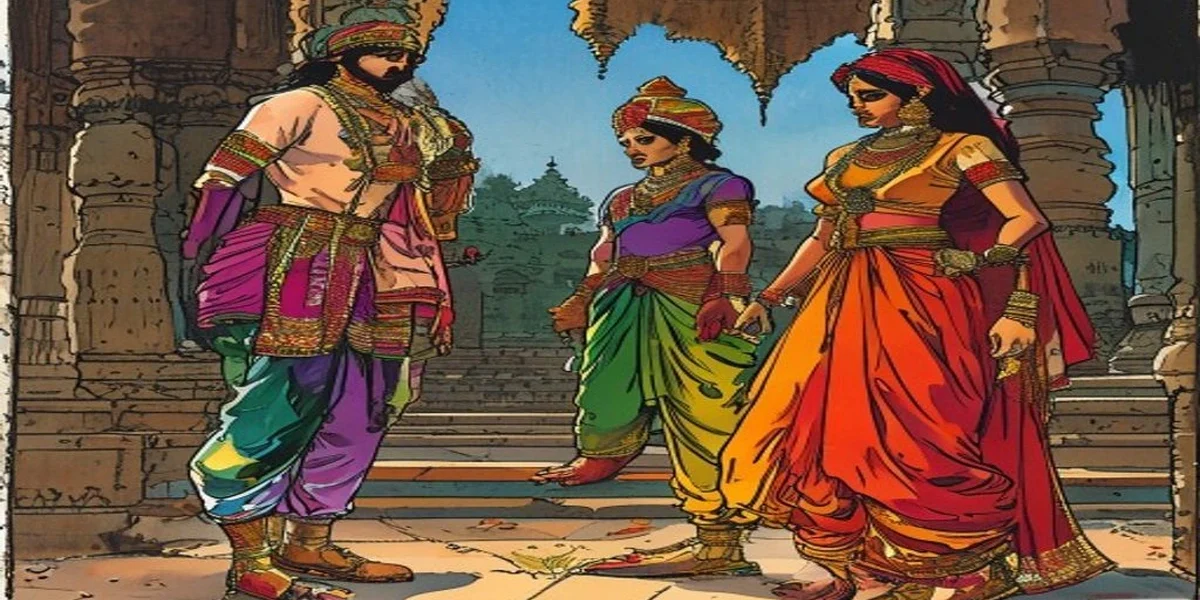
A pair of shoes that carry the wearer anywhere. A staff that commands the world. These two objects — the magic shoes and the magic staff — are not arbitrary marvels; they are precise extensions of the two fundamental capacities the folk hero requires: the ability to go anywhere (mobility without limit) and the ability to command what is encountered upon arrival (authority without constraint). Together they constitute what comparative folklorists call the “hero’s kit” — the magical implements that transform an ordinary person into a figure capable of completing the quest the story demands. And each implement, examined carefully, reveals something profound about the power it extends.
I. The Magic Shoes: Locomotion as Liberation
The shoe in world folk tradition is among the most symbolically charged articles of clothing. It is the interface between the human body and the earth — the point of contact between the walker and the world being walked. To go barefoot is to be in direct, unmediated contact with the ground; to wear shoes is to have interposed a technology between body and world. Magic shoes are the extension of this technology to its logical extreme: the shoe that does not merely protect the foot but directs it, that carries the wearer not through the effort of walking but through the shoe’s own power.
In Indian tradition, the shoe has specific sacred associations. The wooden sandals of the guru (padukas) are objects of devotion — the guru’s physical interface with the earth, embodying the guru’s presence and authority even when the guru is absent. Rama’s padukas, left behind when he went into forest exile, were placed on the throne by Bharata as regents of the kingdom during Rama’s absence — the sandals ruling in the king’s name. If ordinary sandals carry such weight of presence and authority, the magic sandal of the folk tale — the one that carries the hero anywhere — is the logical apotheosis of the paduka tradition: not the guru’s authority made present through his shoes, but the hero’s own mobility made absolute through magical footwear.
The specific power of the magic shoes — carrying the wearer anywhere — addresses the fundamental constraint that geography imposes on human agency. Before roads, before vehicles, before modern infrastructure, the ability to travel quickly and reliably across any terrain was among the most consequential advantages a person could have. The magic shoe removes this constraint entirely: distance becomes irrelevant, terrain becomes irrelevant, time becomes irrelevant. The person wearing the magic shoes can go from the situation of need to the source of help in an instant — can be present wherever presence is required without the delay that ordinarily separates the moment of need from the moment of response.
II. The Magic Staff: Authority Made Tangible
The staff (danda) in Indian tradition is simultaneously a walking implement, a weapon, and a symbol of authority. The god Yama carries a staff (kalaadanda — the staff of time/death); the king’s authority is embodied in his sceptre; the Brahmin’s spiritual authority is represented by his bamboo staff; the teacher’s authority was historically embodied in the cane. In each case, the staff is not merely a physical object but the materialisation of a specific form of power — temporal, royal, priestly, pedagogical.
The magic staff in folk tales typically commands rather than merely assists. It can strike the earth and produce water; strike a door and open it; strike an adversary and compel surrender; or simply point in a direction and produce the result indicated. The common thread is that the staff makes the hero’s will effective in the world — it bridges the gap between intention and outcome, between the command and its execution. Where the ordinary person must negotiate, persuade, or apply physical force, the holder of the magic staff simply commands and the world complies.
This command-power of the magic staff connects to the Indian concept of danda-niti (the politics of the staff/rod) — the understanding that authority is ultimately backed by the capacity for coercive force. Kautilya’s Arthashastra devotes extensive analysis to the proper use of danda: too much, and the ruler becomes a tyrant; too little, and the ruler cannot maintain order. The magic staff of the folk tale circumvents this calibration problem by making the staff’s coercive power precise and selective — it commands only what needs to be commanded, and commands it exactly. The hero who holds the magic staff has perfect danda, uncorrupted by excess or deficiency.
III. The Pair as System: Mobility and Authority Together
The magic shoes and staff together constitute a complete system of heroic power. The shoes provide mobility — the ability to reach any situation. The staff provides authority — the ability to resolve any situation once reached. Neither is sufficient without the other: magical mobility without the authority to act on arrival is useless; absolute authority without the mobility to deploy it is equally useless. Together they make the hero omnipresent and omnipotent — present wherever needed, capable of acting effectively once present.
This pairing reflects a deep insight about the structure of effective action in the world. Action requires two things: access (the ability to get to where the problem is) and capability (the ability to do something about it once there). Most folk tale protagonists lack one or both: they can get to the problem but cannot solve it, or they have the solution but cannot reach the problem. The magic implements address these deficits directly and precisely, transforming the ordinary protagonist into a hero capable of completing the tale’s required action.
The source of the magic implements in folk tales is typically a supernatural gift — from a grateful spirit, a dying parent’s bequest, a reward for a virtue demonstrated in the story’s opening movement. The gift’s source is significant: the shoes and staff are not acquired through purchase or theft but received as acknowledgment of something the hero has already demonstrated. They are not arbitrary magic but the magical confirmation of capacities the hero already possesses in human form — the gift makes absolute what was only partial before.
“Give a just man magic shoes and he will go where justice is needed; give him a magic staff and he will deliver it. Give him neither, and he will try anyway — and sometimes succeed.”
— Reflection on the folk hero’s toolkit from the Indian storytelling tradition
Why This Story Lasted
The Magic Shoes and Staff lasted because the two deficits they address — the inability to get where one is needed, and the inability to act effectively once there — are among the most common sources of human helplessness. We all have moments when we know what needs to be done but cannot reach the situation; and moments when we have reached it but lack the authority or capability to act. The magic implements are the folk tradition’s fantasy of having exactly what is needed, exactly when it is needed, in exactly the degree required.
The tale also lasted because the implements themselves are rich with symbolic resonance — the shoe as interface with the earth, the staff as embodiment of authority — that rewards the attentive reader. These are not random objects but charged symbols whose magical extension amplifies meanings that were already present in the ordinary versions of the objects. The folk tale concentrated centuries of symbolic association into two items and sent the hero into the world carrying all of it.
What is the symbolic significance of magic shoes in folk tradition?
The shoe is the interface between the human body and the earth — the point of contact between walker and world. Magic shoes that carry the wearer anywhere represent the extension of this interface to its logical extreme: locomotion without effort, presence without delay, geography without constraint. In Indian tradition, the paduka (sandals) of the guru or king carry sacred authority even in the wearer’s absence; magic shoes amplify this to absolute mobility. The folk hero wearing magic shoes can be present wherever presence is required, eliminating the gap between need and response that normally separates the moment of crisis from the moment of help.
What is the danda in Indian political tradition?
The danda (staff or rod) is simultaneously a physical object and the symbol of authority backed by coercive force in Indian political tradition. Kautilya’s Arthashastra devotes extensive analysis to danda-niti (the politics of the rod): too much danda creates tyranny; too little creates disorder. The magic staff of folk tales circumvents this calibration problem by making the staff’s command power precise and selective — it commands only what needs to be commanded, and commands it exactly. The hero’s magic staff represents perfect danda, uncorrupted by excess or deficiency.
What are padukas and why are they sacred in Indian tradition?
Padukas are the wooden sandals of a guru or revered figure, which in Indian tradition embody the guru’s presence and authority even in the guru’s physical absence. They are objects of devotion rather than mere footwear. The most famous example is Rama’s padukas, which Bharata placed on the throne of Ayodhya to rule as regents during Rama’s forest exile — the sandals literally governing in the king’s name. This tradition of the paduka as an authority-bearing object provides the religious and cultural context for understanding why magic shoes carry such charge in Indian folk narrative.
Why do magic implements come in pairs in folk tales?
Magic implements in folk tales often come in complementary pairs because effective action requires two distinct capacities: access (the ability to reach the situation requiring action) and capability (the ability to act effectively once there). A single magical item typically addresses only one of these — mobility without authority, or authority without mobility. Complementary pairs like the magic shoes and staff together constitute a complete system of heroic power: the shoes provide access, the staff provides capability, and together they make the hero both omnipresent and omnipotent in the domain the story requires.
Where do magic implements typically come from in folk tales?
Magic implements in folk tales are typically received as gifts rather than acquired through purchase or theft: from a grateful supernatural being, a dying parent’s bequest, or as reward for virtue demonstrated in the story’s opening movement. This gift-origin is significant: it frames the implements not as arbitrary magic but as the supernatural confirmation of capacities the hero already possesses. The shoes make absolute the mobility the hero already showed; the staff makes absolute the authority the hero already earned. The gift acknowledges what was already present and amplifies it to the degree the quest requires.
Frequently Asked Questions
**Q: Why is this story important?**
You May Also Like
 Aesop's Fables
Ages 9-12
Aesop's Fables
Ages 9-12
The Death And Burial Of Poor Sparrow
The Death And Burial Of Poor Sparrow: Once upon a time there lived a cock-sparrow and his wife, who were both growing old. But despite his years the All living
 Aesop's Fables
Ages 3-5
Aesop's Fables
Ages 3-5
The Five Wise Words Of The Guru
The Five Wise Words Of The Guru: Once there lived a handsome young man named Ram Singh, who, though a favourite with everyone, was unhappy because he had a
 Aesop's Fables
Ages 6-8
Aesop's Fables
Ages 6-8
The Four Brothers
Four brothers each have different talents: strength, keen sight, speed, and kindness. Together, they prove that teamwork and friendship overcome any challenge.