The Story of the Old Merchant, His Young Wife and the Thief
The Story of the Old Merchant, His Young Wife and the Thief: In a certain town, there -lived an old merchant by the name of Kamatura. After the death of his
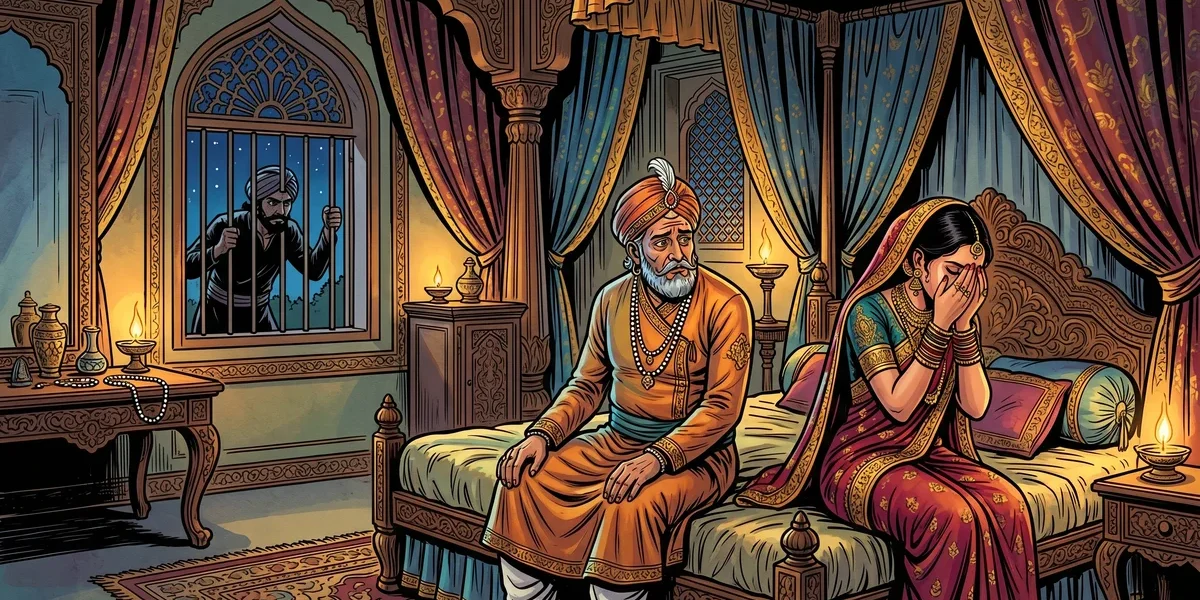
The Story of the Old Merchant, His Young Wife and the Thief
Canonical Attribution and Manuscript Tradition
This tale is preserved in the major Sanskrit recensions of the Pancatantra including the Tantrakhyayika (c. 200 BCE, Kashmir) and the Hitopadesha, and belongs to the Pancatantra’s rich tradition of stories involving mismatched marriages and the unexpected alliances that improbable domestic situations produce. An old merchant has a young wife who is conducting an affair. A thief enters the house intending to rob it. The young wife, mistaking the thief’s sounds for her lover arriving, goes to meet him; the thief mistakes her for a trap and flees; the old merchant, awakened by the commotion, discovers his wife outside and she constructs a plausible explanation. All three parties end the night worse for wear than they began it. The tale is one of the Pancatantra’s most economically comic treatments of the theme that deceptive intentions, when multiple parties simultaneously pursue them in the same space, produce collisions that defeat everyone’s purpose.
Beat I — The Setup: Three Parties, Three Purposes
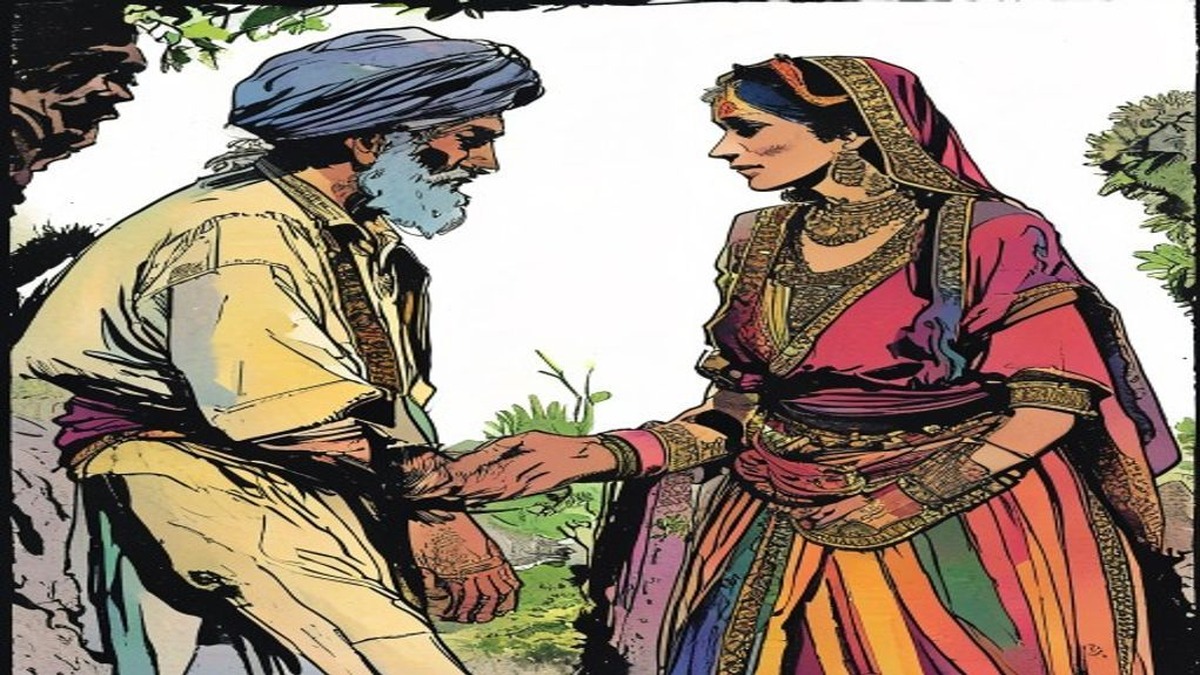
The old merchant was asleep. His young wife was waiting for her lover, who was expected to arrive that night. A thief had selected the merchant’s house as his target for the evening. Each of the three parties had purposes incompatible with each other’s: the merchant’s purpose, insofar as he had one for the evening, was to sleep undisturbed; the young wife’s purpose was to conduct her affair undiscovered; the thief’s purpose was to rob the house undetected. The space in which all three purposes would have to be pursued was the same house.
The Pancatantra establishes the situation with the economy of a tale designed to generate comic consequences: all three parties are moving through the same environment, none of them fully aware of the others’ presence and intentions, and the incompatibilities among their purposes will produce a series of misreadings and reactions that defeat everyone’s plan. The tale is a study in what happens when multiple deceptive operations occupy the same space simultaneously.
Beat II — The Misreadings and the Collisions
The thief, entering or approaching the house, made sounds that the young wife interpreted as her lover’s arrival signals. She went to receive him, creating noise and movement in the house. The thief, encountering an approaching figure in the darkness and not knowing it was the wife going to meet a lover, interpreted her approach as a trap: the household was awake and she was coming to intercept him. He fled rather than risk discovery.
The young wife, finding no lover at the expected place and hearing the thief’s retreat, was now outside the house without the purpose that had brought her out having been served. The old merchant, awakened by the sounds of her movement, found her outside. She constructed an explanation — a dream, a ritual obligation, a concern she had gone to address — that accounted for her presence without revealing her actual purpose. The merchant, uncertain but not conclusively suspicious, accepted the explanation. All three parties returned to their respective positions: the merchant to sleep, the wife to disappointed waiting, the thief to abandoning his plan for the night.
Beat III — The Inadvertent Alliance
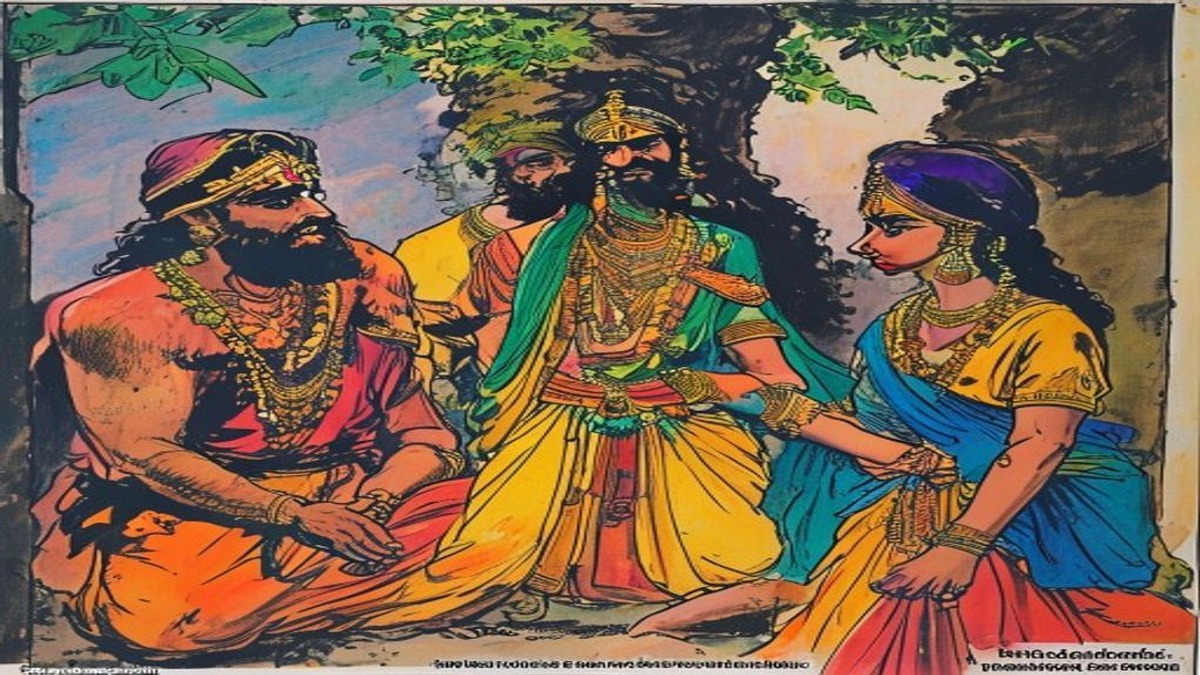
The Pancatantra draws attention to the inadvertent structural relationship between the thief and the young wife. The thief’s presence had, by triggering the wife’s movement toward what she thought was her lover, caused the wife to go outside, where she was discovered by the merchant. The wife’s movement had, by suggesting to the thief that the house was alerted, caused the thief to abandon his plans. Neither party intended any service to the other; neither party was aware of the other’s situation or purposes. Yet each had affected the other’s outcome in ways that their own actions could not have.
This inadvertent structural relationship is the tale’s most interesting element. The Pancatantra is demonstrating that in environments where multiple parties are simultaneously pursuing deceptive purposes, the consequences of any individual party’s actions extend beyond what that party can control or predict. The thief’s sounds were not intended to expose the wife; the wife’s movement was not intended to warn the thief. Yet each inadvertently served as a kind of signal to the other, with consequences that neither intended and neither could have foreseen.
Beat IV — What the Old Merchant, His Young Wife and the Thief Teaches
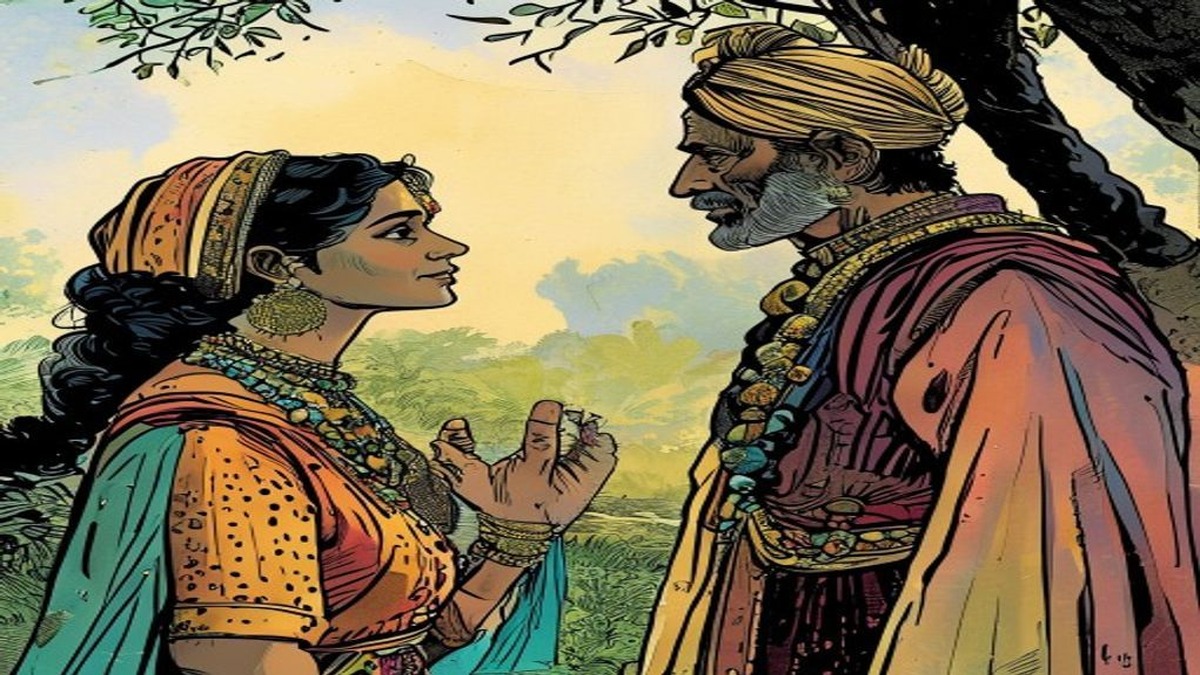
Vishnu Sharma’s argument in this tale operates at two levels. The surface level is the comic demonstration that deceptive purposes pursued simultaneously in a confined space defeat each other through mutual interference: each party’s actions, interpreted through the other parties’ frameworks, produce outcomes that no party intended and that serve none of the parties’ purposes. The deeper level is the argument about the costs and instabilities of deception as a general mode of operation.
The young wife’s deception required constant management: she needed to account for her presence outside in a way that satisfied the merchant, and the explanation she constructed was plausible but fragile. The thief’s deception required the assumption that the house was unaware of his presence, an assumption that her movement had invalidated. The merchant’s position, trusting the wife’s explanation, left him potentially vulnerable to the same situation recurring. None of the deceptions produced a stable outcome; all three parties ended the night in positions of uncertainty and potential exposure. The Pancatantra’s implicit argument is that deception, as a mode of operation, is inherently unstable and prone to exactly these kinds of collapse when multiple deceptive operations coexist.
Moral and Sanskrit Wisdom Tradition
“When multiple deceptions share a space, they defeat each other; the one who schemes against another will find their scheme undone by a third party neither knew was there.”
— Moral of The Story of the Old Merchant, His Young Wife and the Thief, Pancatantra Book III (Kakolukiyam)
This moral engages the Sanskrit tradition’s treatment of maya (deception) as an inherently unstable mode of operation. The Arthashastra’s treatment of deception in political and military contexts is extensive, but consistently notes that deceptive operations are vulnerable to counter-deception and to the interference of third parties operating with their own deceptive purposes. The Mahabharata’s extended treatment of the Kurukshetra war includes numerous examples of deceptive plans colliding with each other and producing outcomes that neither side intended. Vishnu Sharma’s domestic comedy version of the same dynamic is the Pancatantra’s most accessible demonstration of this structural property of deception.
Why This Story Has Lasted 2,300 Years
The Story of the Old Merchant, His Young Wife and the Thief endures because its comic structure — three parties pursuing incompatible purposes in the same space, each misreading the others’ signals through the lens of their own anxious expectations — is permanently recognisable and endlessly applicable. The tale demonstrates with particular elegance that deception is not a stable equilibrium: it requires constant management, is vulnerable to the interference of third parties, and tends to generate the very exposure it is designed to avoid. The Pancatantra’s comedy does not condemn the wife or celebrate the thief; it observes the structural dynamics of deception with the detached precision of a tradition more interested in how things work than in who deserves what.
Sanskrit Tradition: Tantrakhyayika (c. 200 BCE, Kashmir); Hitopadesha
Key Concept: Simultaneous deceptions defeating each other; maya (deception) as inherently unstable; inadvertent structural alliances among parties pursuing incompatible purposes
Author: Vishnu Sharma (attributed, c. 3rd century BCE)
Arthashastra Parallel: Vulnerability of deceptive operations to third-party interference; deception requiring constant management and prone to collapse
Frequently Asked Questions
What is the moral of the Story of the Old Merchant, His Young Wife and the Thief in the Panchatantra?
The moral is that when multiple deceptions share a space, they defeat each other; the one who schemes will find their scheme undone by a third party neither knew was there. The young wife, the thief, and the old merchant each pursued incompatible purposes in the same space. The thief's sounds triggered the wife's movement; her movement convinced the thief the house was alerted; the merchant awoke to find his wife outside. All three purposes were defeated through mutual interference that none of the parties intended or foresaw.
What happens in the Story of the Old Merchant, His Young Wife and the Thief?
An old merchant's young wife awaits her lover while the merchant sleeps. A thief enters the house. The thief's sounds convince the wife her lover has arrived; she goes out to meet him, creating movement that convinces the thief the house is alerted. The thief flees. The wife, finding no lover, is caught outside by the awakened merchant and constructs a plausible explanation. All three parties end the night with their purposes unaccomplished: the lover never arrived, the thief took nothing, and the merchant is uncertain but not conclusively suspicious.
What does this story demonstrate about deception as a strategy?
The tale demonstrates that deception is inherently unstable. It requires constant management, is vulnerable to the interference of other parties also operating deceptively, and tends to generate the exposure it is designed to avoid. The wife's deception required her to construct a plausible explanation for her presence outside. The thief's deception required the house to be genuinely unaware of his presence — an assumption her movement invalidated. Neither deception produced a stable outcome; all three parties ended in positions of uncertainty and potential further exposure.
What is the significance of the inadvertent alliance between the thief and the wife in this Panchatantra story?
Neither the thief nor the wife intended any service to the other or was aware of the other's purposes. Yet each affected the other's outcome in ways neither could have foreseen or controlled. This is the Pancatantra's demonstration that in environments where multiple parties simultaneously pursue deceptive purposes, any individual party's actions extend beyond what that party can predict or manage. The inadvertent structural relationship between the thief and the wife is the tale's most analytically interesting element.
How does this comic Panchatantra story relate to the Arthashastra's treatment of deception?
The Arthashastra's treatment of deception in political and military contexts consistently notes that deceptive operations are vulnerable to counter-deception and to the interference of third parties with their own purposes. The domestic comedy of the merchant, wife, and thief demonstrates the same structural property at the household scale: deceptive operations occupying the same space interfere with each other in ways that no individual operator can prevent. The Arthashastra's elaborate precautions around intelligence operations — compartmentalisation, need-to-know, independent verification — are responses to exactly this vulnerability.
You May Also Like
 Panchatantra Stories
Ages 3-5
Panchatantra Stories
Ages 3-5
The Elephant And The Dog
An elephant's tiny dog friend saves him through a clever trick, showing that true friendship knows no boundaries.
 Panchatantra Stories
Ages 12+ / YA
Panchatantra Stories
Ages 12+ / YA
The Barber Who Killed the Monks | Panchatantra (Ages 9–12+)
A Panchatantra cautionary tale: a barber copies what he saw at a merchant’s house without understanding — and learns that imitation without knowledge is dangerous.
 Panchatantra Stories
Ages 6-8
Panchatantra Stories
Ages 6-8
The Brahmin and the Cobra
The Brahmin and the Cobra: Kindness to a cobra costs the brahmin his life. Nature cannot be reformed by compassion A classic Indian folk tale retold for...